Thursday, October 20, 2005
145. جهان كتاب ِ تازه: رهنمونِ دوستداران ِ كتاب و فرهنگ
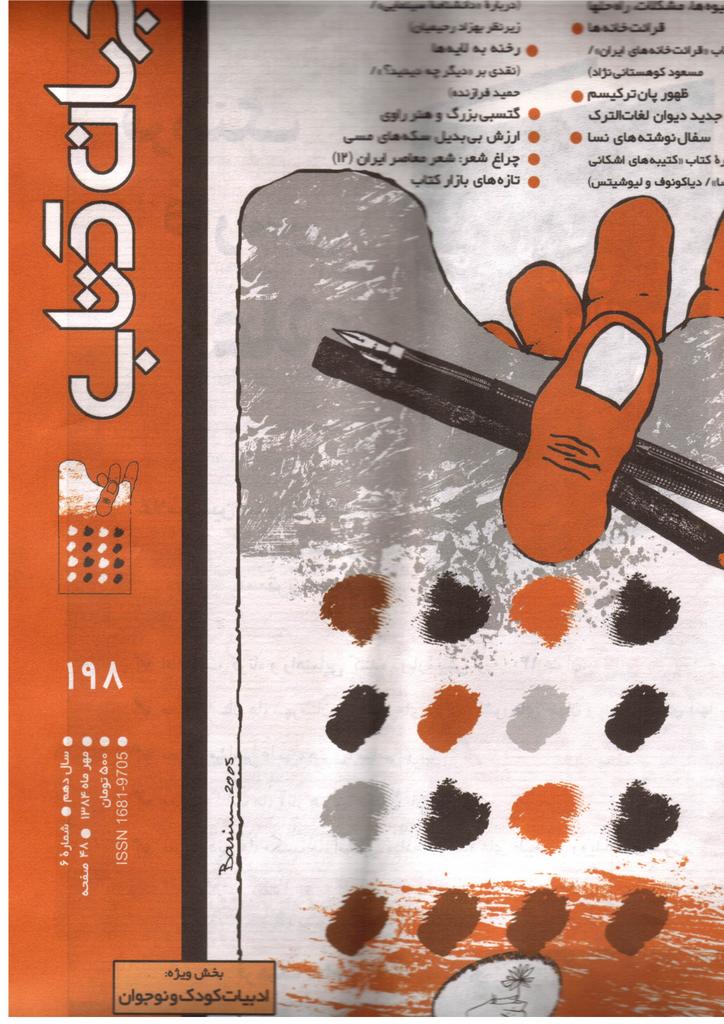
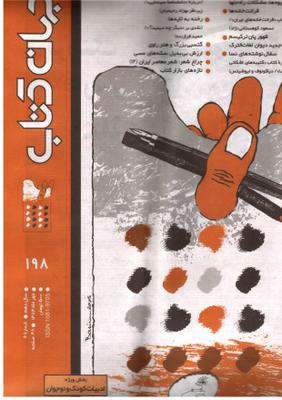 شماره ي 6 سال دهم، مهرماه 1384 (198 پي در پي) ماهنامه جهان ِ كتاب، ديروز به اين دفتر رسيد.
در اين دفتر ِ تازه -- مانند ِ همه ي دفترهاي پيشين ِ اين نشريّه ي ارجمند -- شماري گفتارهاي فرهنگي و كتاب شناختي و بررسي و نقد ِ كتابهاي تازه و نيز بخش ويژه ي ادبيّات كودك و نوجوان را مي خوانيم كه هريك دريچه اي است به گوشه اي از باغ ِ فراخ ِ انديشه و خرد و دانش و فرهنگ.
كوشش ارزشمند و بارآور ِ آقايان مجيد ِ رُهباني و فرّخ ِ امير - فريار، مديران و نيز ديگر همكاران و هم قلمان و ياوران ِ ايشان سزاوار ِ آفرين و ستايش است.
خدمت ِ والاي ِ اين كتابْ ياران را قدر بشناسيم و ارج بگزاريم و با مشترك شدن ِ ماهنامه، هم به پويايي ي ِ هرچه بيشتر ِ آنان در اين راه ِ فرخنده ياري برسانيم و هم دريچه اي فراخ به دنياي كتابهاي ايراني و كتابهاي ديگران درباره ي ايران را به روي خود بگشاييم.
در هر جاي ايران و هرگوشه از جهان كه باشيم، مي توانيم جهان كتاب را دريافت كنيم.
شماره ي تلفن جهان ِ كتاب: 5580-8850 و 3-88514562
نشاني ي پُستي ي ِ جهان ِ كتاب:
ايران - تهران
خيابان سُهروَردي ِ شمالي، بالاتر از تخت ِ طاووس، خيابان ِ ميرزايي زينالي ِ غربي (كيهان پيشين)، شماره ي 123ِ، طبقه ي همكف، زنگ ِ پايين، سمت ِ راست
يا: ايران - تهران، ص. پ. 7765- 15875
posted by Jalil Doostkhah @
6:06 PM


144. كتابي تازه در يك قلمرو ِ ناپژوهيده ي ِ ايران شناختي

تاريخ لذت در ايران
مهدی خلجی
پژوهشگر تاريخ و مطالعات اسلامی
در طلب کام، دخانيات و مشروبات در تاريخ ايران، از عصر صفوی تا دوره ي مشروطيت، کتابی است نوشته ي ِ رودی ماتی، استاد تاريخ در دانشگاه دليور در ايالات متّحد امريكا و يكي از آثار بديع و برجسته اي كه در قلمرو ِ ايران شناسي ، به تازگي انتشاريافته است.
مراد نويسنده از "دخانيات" هرگونه مواد مخدّر است از ترياک گرفته تا توتون و تنباکو. همچنين از "مشروبات"نويسنده هم به مشروبات الکلی نظر دارد و هم به نوشيدنیهای وارداتی مانند قهوه.
اين کتاب با انواع و اقسام مواد سکرآور يا فعالکننده ذهن و روان سروکار دارد که دماغ ايرانيان را تر میکرد و آنها را سر کيف يا سر ذوق و وجد میآورد.
مورّخان ِ چيزهای ِ خُرد
نوشتن تاريخ پديدههايی چون قهوه، شراب، توتون و تنباکو در غرب، از نيمه دوم سده بيستم آغاز شد و دامنهای گسترده يافت. اکنون پژوهشهای روشنگری در دست است درباره تاريخ شب، روز، خواندن، نوشتن، غذا، لباس زير، چرخ، اندام انسان و هر چيز "خرد و جزيی" ديگری که روزگاری در خور تاريخنويسی به شمار نمیآمد.
نوشتن تاريخ اين پديدهها که واقعيتِ ملموس و عينی جامعه و فرهنگ هستند، برآمده از انقلابی عظيم در نگارش تاريخ و نگرش به تاريخ است.
در پی اين انقلاب که در دهههای آغازين سده بيستم صورت بست، تاريخنگاران تاريخ را ديگر گزارش صنعتکرد ِ قهرمانان، پيامبران، پادشاهان و جنگ و صلح و افت و خيز آنها ندانستند و همراه با تحولات در فلسفه و علوم انسانی، روند تاريخ را پيچيده و برخاسته از عوامل گوناگون ارزيابی کردند.
اگر به قول تولستوی، در جنگ و صلح، موضوع تاريخ "زندگی مردمان و بشريت" است، تاريخ به مفهوم کلاسيک آن که "تاريخ رسل و ملوک" و شرح فتح و ظفر و حکايت هزيمت و زوال آنان بود چه اندازه از سرگذشت آدمی را بازمیتاباند؟
در نگرش تازه به تاريخ، "فايده تاريخ" ديگر آموختن عبرت نبود؛ بلکه شناخت انسان بود. پس لاجرم تاريخ میبايست همه سويهها و سايههای زندگی انسانی را فراگيرد و تاريخی شود از سرگذشت هر انسان، چه رعيت چه پادشاه، ستمگر يا ستمديده، دانشمند يا سادهلوح.
قهوه و تاريخ
از آنجا که ما آدميان در تعامل با جهان زندگی میکنيم تاريخ هر پديدهای که در شبکه روابط انسانی ما جاگرفته يا تاريخ هر يک از رفتارهای ذهنی يا عينی ما بخشی از سرشت انسانی است که بر پهنه تاريخ گسترده میشود و آگاهی از آن ما را به تودرتويی، رنگارنگی و دگرگونی مدام "ذات" بشر رهنمون میگردد.
بدين روی، مثلاً تاريخ قهوه، تنها تاريخ ماده تلخ و سياه نوشيدنی نيست؛ تاريخ انسان است که در رويارويی با قهوه چه انديشيده و چه کرده؛ و اين جوشانده غليظ در روابط اجتماعی، ساختار سياسی و حتا مناسبات اقتصادی او چه اثری برجا نهاده است.
بر اين بنياد، تاريخ يک جامعه، فرهنگ و روابط قدرت حاکم بر آن را میتوان از ورای تاريخ اين جرم تيره، روشن کرد. رودی ماتی با اين نگرش به سراغ پژوهش تاريخ نوشيدنیها و دودکردنیها در چهار سده مهم تاريخ ايران رفته است.
شراب و سرخوشی در جوامع اسلامی
پژوهشهای زيادی درباره مصرف مواد سرخوشیآور در جوامع ديگر پيش از دوران مدرن و پس از آن صورت گرفته است. در اين پژوهشها تأکيد شده که اين مواد نه تنها نقش مهمی در بازرگانی و تجارت داشتهاند که نمادها و نشانههايی از شعاير دينی، مناسبات اجتماعی و تغييرات سياسی نيز بودهاند. اما متخصصان خاورميانه، بسی ديرتر از تاريخنگاران جوامع غربی به سراغ نوشتن تاريخ واقعيتهای مادی از اين دست رفتهاند.
posted by Jalil Doostkhah @
5:07 PM
Wednesday, October 19, 2005
143. سال ِ اشك ِ پوري / سال ِ خون ِ مُرتضي ...
امروز 27 مهر ماه 1384، درست 51 سال از روز ِ سياه و خونين ِ 27 مهر ماه 1333 مي گذرد. در چُنين روزي، نظام ِ برآمده از شبيخون ايران بر باد ده ِ سوداگران تازشگر ِ آمريكايي و انگليسي و دربار وابسته و سر  سپرده بدانان، براي سركوب دنباله ي خيزش و جنبش رهايي
 بخش ِ مردم ايران، نخستين ده تن از شيرمردان ِ آزاده و مبارز را به جوخه ي آتش سپرد و سرتاسر ميهن ما را در سوگ و درد و دريغ آن لاله هاي واژگون ِ سر به سوي ِ خاك ِ وطن خم كرده، فرو برد.
از آن گروه ِ دهگانه، نُه تن سرداران سپاهي بودند و يك
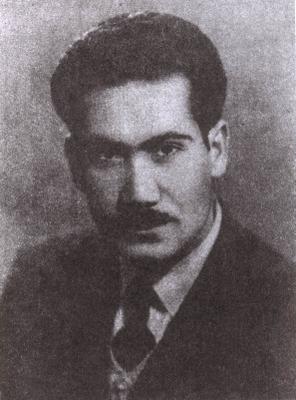
تن غير ِ نظامي، مرتضي كيوان نويسنده و ناقد ادبي و مترجم و روزنامه نگاري آزادي خواه و هوشمند و فرهيخته بود.
دستگاه حاكم، آن دليرمردان ِ سرافراز و جان باز را به كاري كه خود به زيان ِ ميهن ما و به سود ِ تاراجگران و نفت خواران بيگانه مي كرد، متّهم ساخته بود. امّا آنان به رغم ِ پيوندشان با حزب توده ي ايران و پيروي شان از سياست وابستگي به شوروي ( با لقب ِ "برادر ِ بزرگتر")، با همه ي توش و توانشان براي خدمت به ايران و رهايي ي آن از چنگال ستمگران و چپاول كنندگان خودي و بيگانه مي كوشيدند. يكي از آنان، سرهنگ عزّت الله سيامك در بيدادگاه نظامي، در برابر ِ اتّهام وارد كرده بدو كه اسرار ِ نظامي ي ايران را به بيگانگان مي داده است، با طنزي تلخ گفت كه: "اين اتّهام را مي پذيرم؛ زيرا در محلّ كارم ژاندارمري هر روز گزارش هايي را به مستشار ِ آمريكايي ِ برگماشته در آن جا مي دادم!"
از راست به چپ: مرتضي كيوان، سرهنگ مبشّري، سروان افراخته، سروان مدني و سرهنگ سيامك،دمي پيش از سپيده دم 27 مهر 1333 و تيرباران شدنمن خود در آن هنگامه ي خونين، دوره ي خدمت هيجده ماهه ي سربازي را مي گذراندم و در پادگان عبّاس آباد تهران، سرهنگ امير افشار بكشلو فرمانده ي هنگ ما، مردي سخت ايران دوست و پاي بند به ارزش هاي فرهنگي ي ملّي بود و من و دوستان هم دوره ام آشكارا مي ديديم كه او تا چه پايه دل و جان سپرده به مهر ميهن و پيشينه ي ارجمند و كهن ِ آن داشت. در يكي از روزهايي كه تمرين نظامي ي ِ رژه رفتن داشتيم، او سوار ِ بر اسبي رشيد در كنار ِ گذرگاه ايستاده بود و ما پاي كوبان از برابرش مي گذشتيم و در همان حال، بانگ پُر شور و غرور ِ او را مي شنيديم كه بيتي برانگيزنده از شاهنامه ي فردوسي را مي خواند :
"پياده نديدي كه جنگ آورد / سر ِ سركشان زير ِ سنگ آورد؟! "
چند ماه بعد، او همِ به چنگ ِ دُژخيمان نظام ِ كودتا افتاد و در جزو ِ يكي ديگر از گروه هاي افسران ميهن دوست، تيرباران شد. او كه روزهاي پر رنج و شكنج ِ پيش از اعدام را در پادگان ِ لشكر ِ دوم ِ زرهي ي ِ تهران ميگذراند، روزي در هنگام ِ برخورديِ اتّفاقي با يكي از دوستان ِ هم دوره ي من كه در همان پادگان در بازداشت بود و در دستشويي به او سلام كرده و جوياي حالش شده بود، در يك جمله ي كوتاه، گفته بود: "ما فداي نفت شديم!"
و به راستي چه سخني رساتر و گوياتر از اين، مي توانست بيان حال ِ آن جان باختگان و قربانيان چيرگي ي دوباره ي نفت خواران جهاني بر نفت ملّي كرده ي ِ ايران باشد؟!
* * *
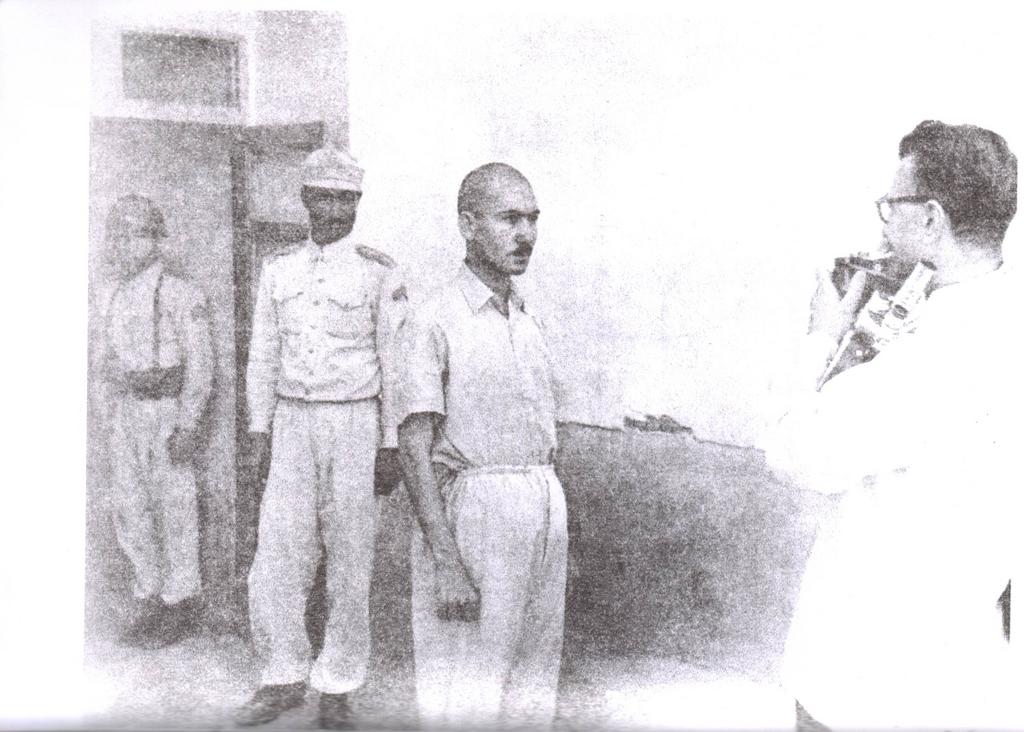
امّا مرتضي كيوان كه همراه با نخستين گروه از سرداران سرافراز ِ آزادي جان باخت، به گناه ِ نابخشودني ي ِ تامين ِ خانه و پناهگاه براي افسران ِ پنهان شده، به چنگ دُژخيمان افتاده بود. او مردي به راستي فرهيخته و بسيار پيشتر از زمان ِ خودش بود. سطر به سطر ِ همه ي نوشته هاي برجا مانده از اين روشنفكر ِ راستين و آزادانديش ژرف بين گواهي است بر منش والاي او در زندگي ي فردي و اجتماعي و كار و كوشش هاي ادبي اش.
كيوان با همه ي نوده اي گري اش، زنجيري و پاي بسته ي جزم هاي مرامي و فرموده هاي آيه وار ِ حزبي نبود و همواره آزادانديش و چون و چراگو باقي ماند. براي نمونه، در زماني كه نسخه ي رئاليسم سوسياليستي ي ژدانفي براي ادبيّات سراسر جهان تجويز مي شد و هرگونه سرپيچي از آن در حكم انحراف و گناهي بزرگ به شمار مي آمد، او در يكي از نوشته هايش، آشكارا به انتقادي زيركانه از اين آيه ي مطلق پرداخت و ديدگاه هاي انديشه ورانه ي خود را در تقابل ِ با آن شرح داد. كار و كوشش فرهنگي و ادبي ي ِ مرتضي كيوان تنها در روزنامه نگاري و نقد و بررسي ي كتاب و ترجمه و ويرايش خلاصه نمي شد؛ بلكه با كشف توان و گنجايش فكري و ادبي در هريك از دوستان و معاشرانش، به ياري ي او مي شتافت و با گونه اي احساس خويشكاري مي كوشيد تا استعداد نهفته در وي را شكوفا و بارور كند. تاثير ژرف ِ دل سوزي هاي او در حق ّ نسلي از روشنفكران و اهل قلم آن زمان، انكارناپذيرست و اشاره هاي فراواني بدان در نوشته هاي آن نسل، ديده مي شود. از همين رو بود كه پايان خونبار زندگاني ي كوتاه؛ امّا سرشارش، همه ي آن نسل ر ا در بُهتي شگفت و اندوهي ژرف فروبرد.
مرتضي كيوان در واپسين روزهاي زندگي در چنگال ِ دُژخيمان
بسياري از نويسندگان و شاعران و مترجمان و پژوهشگران ِ همگام و همنشين با كيوان، در سروده ها و نوشته هايي با ياد او با شگفتي و آفرين بسيار از او يادكرده و شگفتي هاي زندگي ي او را برشمرده اند. يكي از ياران نزديك كيوان، زنده ياد شاهرخ مسكوب، فرزانه ي بزرگ ِ روزگار ما بود كه در واپسين سال هاي زندگاني ي دشوار و پُربارش با احساسي همچون دِين داشتن نسبت به آن يار ِ از دست رفته، نوشته ها و سروده هايي از خود و ديگران را با همكاري ي ِ همراه و همسر كيوان، بانو پوران سلطاني در مجموعه اي با عنوان ِ كتاب مرتضي كيوان، فراهم آورد و به چاپ رساند و حقّ آن مرد ِ مردانه را به خوبي ادا كرد.
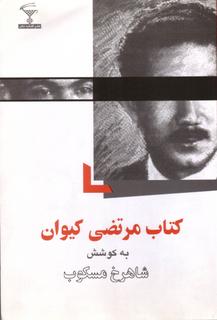
بحث و بررسي در باره ي اين كتاب ارجمند و درون مايه هاي گوناگون ِ آن فرصت و مجالي ديگر مي خواهد كه اميدوارم فرادست آيد. در اين سالگرد اندوهبار ِ در خون تپيدن ِ كيوان و سرداران ِ همگامش، تنها خواستم يادي به گرمي از آن شمع هاي ِ خاموش گشته، كرده باشم.
براي پايان ِ سزاوار بخشيدن به اين يادواره ي كوتاه، از ميان ِ همه ي نوشتارهاي آمده در اين دفتر، سطرهاي گزيده اي از شعر ِ فراموش نشدني ي ِ شاعر نامدارمان احمد شاملو را كه در سوگ ِ كيوان و براي همدلي با همسرش پوران سلطاني سروده است، در پي مي آورم. ج. د.
احمد شاملو
نگاه كن
سال ِ بد
سال ِ باد
سال ِ اشك
سال ِ شكّ
سال ِ روزهاي ِ دراز و استقامت هاي كم
سالي كه غرور گدايي كرد
سال ِ پَست
سال ِ درد
سال ِ عزا
سال ِ اشك ِ پوري
سال ِ خون ِ مرتضي
سال ِ كبيسه ...
...........................
من بد بودم؛ امّا بدي نبودم
از بدي گريختم، دنيا مرا نفرين كرد
و سال ِ بد دررسيد:
سال ِ اشك ِ پوري، سال ِ خون ِ مرتضي
سال ِ تاريكي
و من ستاره ام را يافتم، من خوبي را يافتم
به خوبي رسيدم
و شكوفه كردم.
..............................
posted by Jalil Doostkhah @
4:41 AM
Tuesday, October 18, 2005
142. استاد دكتر احسان يارشاطر در سفري به پاريس: گزارشي كوتاه


يادداشت ِ ويراستار
پيام زير امروز از سوي آقاي مسعود روشن، دبير انجمن دوستداران ِ دانشنامه ي ِ ايران در استراليا، از سيدني به اين دفتر رسيد:
Sarvar-e garami, Janab-e Doostkhah
I am forwarding a report of Prof. Yarshater recent visit to Paris. Mohandes Abdul-Hamid Eshragh, a member of the Iranica Board of Trustee in France has sent this report, which includes a digital photo of Prof. Yarshater. You might like to include this report in your Pazhuheshnameh website. I hope you find this useful for your website and utilize it in its current form.
Bá drood va ehterám,
M Rowshan
تصوير پيش نوشت ِ گزارشي كوتاه از سفر استاد دكتر احسان يارشاطر به پاريس و شركت و سخنراني ي ِ ايشان در نشست ِ انجمن پشتيبانان و هواداران ِ دانشنامه ي ِ ايران در فرانسه را با سپاس از آقاي مسعود روشن، براي آگاهي ي ِ دوستداران ِ فرهنگ ايراني
در پي مي آورم. ج. د.
posted by Jalil Doostkhah @
8:15 PM
141. مهمان نوازي و تعارف در ميان ِ ما ايرانيان
يادآوري : در چهاردهم اكتبر گذشته در زير ِ درآمد ِ شماره 133 در همين صفحه، گفتاري با عنوان "غرب ستايي و غرب ستيزي ِ ما ايرانيان" نوشته ي بانو طاهره شيخ الاسلام را آوردم كه با پذيره ي ِ شماري از دوستان و خوانندگان رو به رو شد . امروز نيز گفتار ديگري از همو با عنواني كه در آغاز ِ اين درآمد مي بينيد، در نشريه ي خبري ي ِ ايران امروز درج شده است. نويسنده در اين گفتار نيز -- كه بخشي از كتاب زير چاپ او با عنوان ِ در اسارت ِ فرهنگ است -- همچون گفتار ِ پيشين ِ خود، جنبه اي از رفتار جمعي ي ِ ما ايرانيان را با نگاهي انتقادي برمي رسد كه من نشاني ي آن در ايران امروز را در پي مي آورم تا دوستداران اين گونه بحثها بتوانند بدان دست يابند. ج. د.
http://www.iran-emrooz.net/index.php?/social/more/4740/
posted by Jalil Doostkhah @
6:55 AM
Monday, October 17, 2005
140.سندي كهن از زندگي ي ِ خانوادگي و اجتماعي ي ِ ايرانيان ِ باستان
 گزارشي كه به ميانجي ي ِ تارنماي فرهنگي- خبري ي ِ ايراندُخت و به گُفتاوَرد از خبرگزاري ي ِ ميراث ِ خبر در پي مي آورم، اشاره دارد به يك سند كهن از متن هاي پهلوي و پازند در مورد آيين زناشويي ي ايرانيان و مي تواند روشنگر ِ گوشه اي زندگي ي خانوادگي و اجتماعي ِ نياكانمان باشد.
 يادآوري مي كنم كه نگارنده ي ِ اين يادداشت، در همين زمينه، گفتار ِ پژوهشي ي ِ بلندي با عنوان ِ آيين ِ زناشويي ِ پارسيان از اي. ج. س. تاراپوروالا را در كتاب ايران شناخت، يادنامه ِ استاد آ.و. ويليامز جكسُن، به فارسي برگردانده كه هم اكنون در تهران در فرايند ِ ويرايش پسين و آماده سازي براي چاپخش است و مي تواند بر يادمان ِ ديرينگان ِ اين سرزمين و اين فرهنگ -- كه پارسيان ِ هند، شاخه اي جدامانده از آنانند -- پرتوي ديگر بتاباند. ج. د.
میراث خبر:
ترجمه جامعترين سند ازدواج در متون پهلوي و پازند نشان می دهد که مهريه این وصلت معادل 14 ميليون تومان امروز بوده است. گروه فرهنگ، آرزو رسولي:جامعترين و فاخرترين سند ازدواج در ميان متون پهلوي و پازند «نكاح از روش ايران» است. سعيد عريان، متخصص زبانهاي باستاني ايران و رئيس پژوهشكده زبان و گويش كه اين سند ازدواج را به فارسي برگردانده است، مي گويد: مجموعاً 6 سند ازدواج در ميان متون پهلوي و پازند شناسايي شده كه «نكاح از روش ايران» بلندترين آن است. سند با ستايش هرمزد آفريننده و دعاهاي مختلف مثل اَهونَوَر آغاز ميشود. اين متن چون خيلي بلند است، انواع دعاها، بخشهايي از يسنا و يشتها در آن آمده و با ذكر دعاي بيشتر عقد را متبركتر كردهاند.در بخشي از خطبه عقد، بنابر ترجمه دكتر عريان، آمده: «هيربد داماد را اين گويد: دخترِ فلان به گونه مادي، بهمينويي، بنابر قانون و بنابر دين، بنابر اشوداد به عنوان همتن، بهعنوان همروان، به پادشازني <و> كدبانويي خانه بنابر قانون موبد، ... بنابر اشوداد به زني پذيرفت.» در اين قباله ازدواج داماد تعهد ميكند كه همسرش را ناراحت نكند و ميگويد: «سرما <و> گرما را از سوي او دفع كنم و قيد و بند نادرست را از او دفع كنم، همه آن كار<هاي> نيك را به كام او سازم.»بهگفته عريان، تمام ويژگيهاي اين سند نشانگر آن است كه متعلق به خانوادهاي مرفه بوده است، از جمله اين موارد مهريه سنگيني است كه در اين سند بر ذمه داماد قرار گرفته است: «2000 درهم سيم ناب ويژه (=نقره خالص) و 2 دينار زر سرخ سلطاني».اين مهريه حتي براي امروز هم بسيار سنگين است. دكتر عريان اين مهريه را با قيمت روز طلا و نقره محاسبه كرده كه به رقم 14 ميليون تومان رسيده كه با توجه به نوسانات مدام طلا و نقره به بيش از اين رقم رسيده است.از اين سند تنها تحرير پازند آن در دست است و ترجمه دكتر عريان براساس اين متن صورت گرفته است. متون پازند كه درواقع آوانويسي سنتي متون پهلوي با خط اوستايي است، متون بسيار دشواري است و در اين ميان، «نكاح از روش ايران» دشوارترين آنهاست. چون علاوه بر ويژگيهاي خاص پازند، واژگاني از عربي و فارسي نيز در اين متون دخيل شده است كه بر دشواري قرائت آنها ميافزايد. بهعنوان مثال، در متن مذكور بهجاي واژه «گُهريگ» در متون پهلوي در معناي مهريه، واژه «مهركابين» بكار رفته است.تاريخ اين سند مشخص نيست اما از ميان اسناد مذكور متأخرترين است و احتمالاً متعلق به قرن پانزدهم ميلادي يا پس از آن است.
" جامعترين و فاخرترين سند ازدواج در ميان متون پهلوي و پازند «نكاح از روش ايران» است. "
Ceremonies
posted by Jalil Doostkhah @
6:58 PM
Sunday, October 16, 2005
139. يادآر ز شمع ِ مُرده، يادآر!
دكتر كسرا وفاداري (1325 - 1384)
شماره ي يكم از سال بيست و سوم ماهنامه ي ِ ادبي - فرهنگي - اجتماعي ي ِ چيستا (مهرماه 1384) به سردبيري ي استاد پرويز شهرياري، به لطف ايشان، امروز به اين دفتر رسيد.
اين شماره ي چيستا، يادواره ي ِ سزاواري است براي گرامي داشت ِ خاطره ي زنده ياد دكتر كسرا وفاداريِ پژوهشگر ِ سخت كوش و پرشور فرهنگ ايران باستان و استاد دانشگاه پاريس 3 كه در بهار امسال، در يك شبيخون ناجوانمردانه در پايتخت فرانسه، جان باخت و دفتر ِ زرّين ِ كوششهاي ايران شناختي اش بسته شد.
من در روزهاي برگزاري ي ِ سومين كنگره ي جهاني ي ِ پژوهش هاي هندو- ايراني در دانشگاه هامبورگ آلمان در مهر ماه 1376 با دكتر وفاداري آشنا و هم سخن شدم. او را يك ايراني ي ِ ريشه دار در يادمان هاي كهن ملّي و در همان حال فرهيخته اي روزآمد و پر و بال گشوده در افق هاي دانش و فرهنگ ِ پيشرو و جهان شمول امروزين يافتم.
دكتر وفاداري مردي بسيار دوست كامه و خون گرم بود و در اندك زماني همچون دوستان ِ ساليان شديم و از آن پس نيز با يكديگر تماس و نامه نگاري داشتيم. در همان ديدار و هم نشيني ي يگانه و چند روزه مان، هنگامي كه در ِ دل پيشش گشودم و از نيافتن ِ ناشري در ايران براي چاپخش كتاب ِ رهيافتي به گاهان ِ زرتشت و متن هاي نواوستايي (گزارشي از پژوهش ِ دانشمند ِ اوستا شناس آلماني هانس رايشلت)، شِكوِه كردم، بي درنگ به چاره جويي پرداخت و دست ِ ياري به سويم درازكرد و با شناساندن ِ گزارش ِ فارسي ي ِ من به انتشارات فَرَوَهَر وابسته به انجمن زرتشتيان در تهران، از دست اندر كاران آن نهاد درخواست كرد كه چاپخش كتاب ِ سودمند ِ دانشمند ِ آلماني را عهده دار شوند.
هرچند كه در تماس من با مديران آن بنگاه، بر اثر ِ برخورد ِ نابهنجار آنان و پيشنهادشان براي نشر كتاب، بدون پرداخت ِ حقّ مترجم، آن كار به سرانجام نرسيد؛ امّا نيك انديشي و همدلي ي ِ دكتر وفاداري همچون خاطره اي خوش از انديشه و كردار نيك ِ انساني فرهيخته برايم باقي ماند. (خوشبختانه كتاب ِ يادكرده، نيك فرجام شد و در سال 1383 در 744 صفحه از سوي ِ انتشارات قُقنوس در تهران نشريافت.)
در اين دفتر ِ چيستا، افزون بر يادواره ي ِ دكتر وفاداري، گفتارها، پژوهش ها، داستان ها، شعرها و نوشته هاي گوناگون ديگري نيز از ايرانيان و جُز ايرانيان درج گرديده است كه همه خواندني و آموزنده و سودمندند. از آن ميان به پژوهش ِ دقيق و دانشگاهي و مستند ِ ياغش كاظمي، دانشجوي دوره ي كارشناسي ي ارشد در رشته ي مرمّت و احياي بناها و بافت هاي تاريخي در دانشگاه هنر ِ اصفهان درباره ي آتشگاه سپاهان اشاره مي كنم كه در زير عنوان ِ "نگاهي به آتشگاه ِ سپاهان و پژوهش در يافتن ِ شكل ِ راستين ِ آتشكده"، براي نخستين بار با چنين روشي نشرمي يابد و يكي از آتشكده هاي بازمانده از روزگار باستان در باختر شهر اصفهان را به خوبي به دوستداران ِ فرهنگ ايراني مي شناساند.
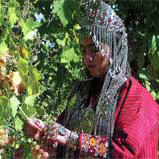
نمايي از بازمانده ي ِ آتشكده اي باستاني بر فراز
كوه آتشگاه در باختر ِ اصفهان
بر كرانه ي ِ زاينده رود
posted by Jalil Doostkhah @
7:44 PM
138. ساختن سمفوني ي ايران به پايان رسيد.
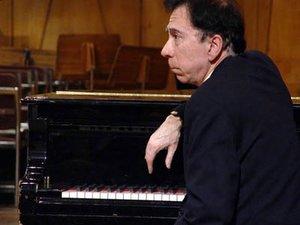
 استاد شاهين فرهت، سازنده ي سمفوني ي ايران
بر پايه ي ِ گزارش خبرگزاري ي ِ مهر از تهران، شاهين فرهت آهنگساز ايراني، كار ِ ساختن ِسمفوني ي ِ ايران را به پايان آورد تا بار ِ ديگر گرايش پُرشور خود به ايران و پاي بندي اش به غرور ِ ملّي را به نمايش بگذارد. او پيش از اين، سمفوني هاي ِ بانوي ايران، دماوند و خليج ِ فارس را در همين گونه ي ِ هنري آفريده بود.
گزارش مهر درباره ي اين رويداد ِ مهمّ ِ هنري و فرهنگي و سخناني از استاد فرهت در زمينه ي شكل گيري ي ِ كارهايش و چگونگي ي ِ رهبري ي ِ گروه اجراكننده ي ِ سمفوني هايش و همكاري ي ِ اركستر سمفونيك ارمنستان به رهبري ي ِ لوريس چكناواريان سازنده ي نامدار ِ اُپراي ِ رستم و سهراب را در دنباله مي آورم.
Shahin Farhat composed Iran Symphony
TEHRAN, Oct. 9 (Mehr News Agency) -- Iranian composer Shahin Farhat recently finished composing a work entitled "Iran Symphony" to prove his patriotism once again. He had previously created "Iranian Lady Symphony", "Damavand Symphony", and "Persian Gulf Symphony" in this genre.
I began writing the symphony last Noruz (Iranian New Year, which begins on March 21). It abstractly demonstrates bittersweet events our country has experienced over history, Farhat told the Iranian Students News Agency (ISNA) on Saturday.
With a genuine Iranian theme, the symphony has been written in four movements taking 40 minutes. The first and second movements have an exciting and fast rhythm, the third movement is mellow, and the ending reminds one of triumph and victory
he explained
I have asked Ali Rahbari (Tehran Symphony Orchestra conductor) to perform the symphony, and he has welcomed the idea. Farhat said
According to Farhat, the Iranian Academy of Arts will sponsor the performance He had previously said that he might be persuaded to give it to the Armenian Philharmonic Orchestra because of technical limitations in Iran for the performance and recording of orchestral and symphonic works.Farhat's Persian Gulf and Damavand symphonies were also to be performed by Iranian conductor Loris Tjeknavorian and recorded in Iran, but in the end they were performed and recorded by the Armenian Philharmonic Orchestra.Farhat expressed satisfaction with the Armenian orchestra's performance of the symphony
posted by Jalil Doostkhah @
7:53 AM
Saturday, October 15, 2005
137. برداشت ِ يك هنرمند و كارشناس از رستم در كُميك بوكز
در يادداشت دهم اكتبر از كار ِ بروس بهمني و دستيارانش در تدوين و توليد كتابي در شناساندن ِ رستم اَبَرپهلوان ِ حماسه ي ايران به شيوه ي ِ كُميك بوكز سخن گفتم. درهمين زمينه، در پيامي به دوست هنرمندم بيژن اسدي پور، ارزيابي و برداشت ِ هنري ي او را از اين كار پرسيدم. او در پايگاه يك هنرمند و كارشناس آگاه، اين كوشش را مثبت و ارزشمند و سزاوار تبريك و آفرين برآورد كرده است. پاسخ كوتاه ِ او را در زير مي آورم:
 چهره ي ِ بيژن اسدي پور، كار ِ اردشير مُحصّص
Doostkhah-e Nazaneen
Be nazaram kareshan jaleb ast. Yek joor Souper Heros model-e sharghi meeshavd. Bayad be in doostan tabreek goft.
Ba booseh
Bidjan
Friday, October 14, 2005
136. Fresh News from ISIS
With many thanks to Dr. Hamid Akbari from ISIS (International Sosiety for Iranian Studies) who has sent the following information to this office. J. D
This ISIS E-mail includes the following
I. Keddie Wins Balzan Prize
II. In Memory of Hammed Shahidian by Shahrzad Mojab
III. Correction: The Maclaren Foundation and the Morteza Rastegar Endowment Announces the Appointment of Dr. G.R. Farhad Assar as Sir Harold Bailey Research Associate at St. Catherine’s College, Oxford University [Sir Harold Bailey was incorrectly reported to ISIS as Sir Harald Bailey].
IV. Reminder: Please Renew Your 2005 Membership. Please use the attached form. Thanks.
ISIS-L@neiu.edu is the ListServ for the members and associates of the International Society for Iranian Studies http://www.iranian-studies.com
To subscribe or unsubscribe to the List, please send an E-mail to h-akbari@neiu.edu.
Note: All Announcements, including Conference Announcements/Programs not sponsored by ISIS and other similar news, are circulated only as a service to ISIS members and associates.
I. Keddie Wins Balzan Prize
Emeritus Professor of History Nikki Keddie has been awarded the Balzan Prize by the Zurich-based International Balzan. Foundation whose aim is "to promote, throughout the world, culture, science, and the most meritorious initiatives in the cause of humanity, peace and brotherhood among peoples." In honoring Keddie for her research and publications on the Islamic world, the foundation cited her political biography of the Islamic reformer Sayyid Jamal adDin "al-Afghani" as "one of the most important contributions to understanding the connection between Islamic ideology and Western imperialism."
The prize includes funding for a three-year program, beginning in 2005-06, to support two visiting scholars each year who will teach and conduct research on women, gender or the family in the Muslim world. For the first year, Keddie has invited Holly Shissler (UCLA PhD, 1995), Assistant Professor of Ottoman and Modern Turkish History and Associate Director of the Center for Middle Eastern Studies at the University of Chicago, and Nayereh Tohidi, Associate Professor of Women's Studies at California State University, Northridge.
Shissler's research focuses on late Ottoman writings on the institution of marriage and the position of women in society, and the relationship of this literature to Ottoman writings on other topics related to the problem of "selfstrenthening." She contends that by the mid-19th century, Ottoman intellectuals and statesmen were seeking to create the social conditions they understood as having nurtured the development of capitalism, political reform and scientific and industrial revolutions abroad, and that in viewing the complex of social structures underpinning these developments, they sought to identify threads that ran through and would provide access to the web of arrangements that had produced modernity. The position of women was one of these threads, and Shissler further contends that Ottoman concern with the "Woman Question" was part of a comprehensive approach to engendering sweeping change, rather than a mere symbolic nod to modernity.
Tohidi's project is "The Global-Local Interplay of the Women's Movement in Iran." Her hypothesis is that due to interactions between certain local and national demographic, socio-political and economic dynamics and certain global and international factors connected to the processes of globalization, Iran is going through a bottom-up process of socio-cultural transformation toward secularization and democratization. Iranian youth and women in the new educated middle class now constitute the most active elements of civil society in Iran and the primary agents of change and democratization.
Professor Keddie is only the third woman to be awarded a Balzan Prize in the foundation's nearly 50-year history. Nominations for the prize are received from the world's leading learned societies, and candidates are selected by a committee composed of eminent European scholars and scientists. The foundation has awarded prizes to 100 artists, scientists, humanitarians and institutions since 1961. Previous winners include Eric Hobsbawm, Jorge Luis Borges, Paul Hindemith, Gyorgy Ligeti, Samuel Eliot Morisson, Jean Piaget and Stanley Hoffman.
The Balzan Foundation was established in 1956 by Angela Lina Balzan, daughter of Eugenio Balzan who was managing director and co-owner of the Milan-based Corriere della Sera until 1933 when he left Italy in protest against the fascist regime. He died in Lugano in 1953.
II. In Memory of Hammed Shahidian: A Scholar-Activist & A Beloved Friend / Shahrzad Mojab
I have lost a beloved friend; my academic confidante. Hammed left us a legacy of a committed scholar, an honest intellectual, and a friend with a gentle soul. This legacy is inscribed in his writings, lectures, and in our personal memories.
Hammed was a talented, knowledgeable, and brilliant scholar. He had personal and intellectual commitment to the struggle for gender justice. His scholarship consists of a diverse body of critical literature on social movements, gender, sexuality, ethnicity, exile, immigration and diaspora. He contributed to debates in all these areas in North America, Europe and in the Middle East.Hammed’s books, Women in Iran: Gender Politics in the Islamic Republic (2002, Greenwood Publishing) and Women in Iran: Emerging Voices in the Women’s Movement (2002, Greenwood Publishing) are seminal contributions to a crucial debate in international feminist studies, in particular, the repression and resistance of women in the Islamic theocracy of Iran and in the Middle East. These books have encouraged a vast range of debate, originated from the theoretical challenges that Hammed put forth. The significance of these debates goes beyond the case of women in Iran, and touch on feminist theory as well as concrete struggle for gender equality in the Middle East and the rest of the world. In the first book, Gender Politics in the Islamic Republic, for example he undertook a detailed study of certain institutions such as paid work, domestic labour, law, politics, sexuality, and culture in order to demonstrate the role of state coercion in the construction of gender relations. He argues that despite women’s resistance and the reversal of some of the legislation, no crucial change has taken place in gender relations. This study challenges the currently fashionable theoretical claims, which overemphasize the flexibility of the institution of the state in general, and the theocratic state in particular.In the second book, Emerging Voices in the Women’s Movement, Hammed embarked upon another significant theoretical challenge; he demonstrated the limits and constraints of political reformism and provided a critique of the cultural relativist approaches to ‘indigenous’ feminisms. This critique is most timely, and is indispensable for both theory and policies rooted in cultural relativism.Hammed’s influence in the sphere of feminist research has shaped the field of women’s studies of the Middle East. The vast repertoire of his publications, research, lectures and conference presentations around the world on the topic of social movements, feminism, women and revolution, activism, and women’s experience of exile indicate his dedication to enhancing theoretical debates in these areas (check his website at www.shahidian.com). His scholarly work constitutes important contributions to the emerging field of diaspora studies. Some of his published articles in this area are first-hand and unique contributions to exilic life and political activism in the West.However, it is important that I assess Hammed’s scholarship no only in the context of Iranian women’s studies, but also in the international context of the brutal war against women in the Middle East and the rest of the world. We live in a world in which some 2 million girls between the age of 5 and 15 are introduced into the prostitution market of global capitalism. Femicide is the order of the day in south Asia, and Mexico. Women from poverty stricken areas of Russia, East Europe, and Asia are trafficked to the world sex markets, where they are forced into sex slavery. In parts of the world, women are subjected to genital mutilation, honour killing, and stoning to death. It is unfortunate that much of the scholarship in the last 15 years or so does not seriously challenge these patriarchal atrocities. Post-structuralism, identity politics, postmodernism, and cultural relativism, which dominate the academic world, have in fact been silent on the atrocities committed against “Muslim” women. Hammed resisted this kind of scholarship. His points of reference were not the theoretical illusions of some academic feminists; he was, rather, interested in exposing religion as one of the many strongholds of patriarchy with devastating impact on women’s lives. He was able to show how the Islamic theocracy has turned Iran into a hell for women. And he never did this from an Islamophobic perspective. Hammed had tireless energy for envisioning new areas of inquiry. He was fed up with repetitious and inconsequential debate on ‘modernity and Islam.’ He encouraged us to collaborate with him on an anthology on the issue of secularism and democracy. This research was an effort to make visible an old, yet overlooked trend in Iranian culture and politics. He wanted to explore areas of political contestation in Iran waged by writers, youth, and human rights activists that have not yet been adequately studied. His proposed book project was the first on this subject and combined both highly theoretical and personal narratives by secular activists in Iran. This approach reflects Hammed’s theoretical emphasis to study social movements from below, an approach he took both in his published works and in developing a manuscript on the underground leftist movement in Iran.Hammed’s premature departure has left us with a huge void. I mourn more than the loss of a beloved friend. I mourn the loss of an intellect with a profound commitment to social justice. I also celebrate Hammed’s life and legacy by reminding myself and the generation to come of our duty in living a responsible life; a life dedicated to justice.
III. The Appointment of Dr. G.R. Farhad Assar as Sir Harold Bailey Research Associate at St. Catherine’s College, Oxford University
The Maclaren Foundation and the Morteza Rastegar Endowment, which promote inter-cultural studies around the world, are happy to announce the appointment of Dr. G.R. Farhad Assar as Sir Harold Bailey Research Associate at St. Catherine's College, Oxford University, for the 2005/6 academic year. During his appointment Dr. Assar plans to complete the first of a multi-volume study of the political and numismatic history of Parthia, will organize public lectures on Parthian coinage and history, and advise graduate and post-graduate researchers in advanced studies of ancient Iran. Dr. Assar shall also further conduct ground-breaking research with various members of the Oriental Institute, Oxford University, regarding the application of a new technique for reading faded texts on papyri and ostraca. Dr. Assar is one of the world's foremost authorities on Parthian coinage and history. His publications include "Some New Coins of Vologases V" (1990); "Some Remarks Concerning the Parthian Gold Coins" (1991); "Recent Calendar Research" (1998); "Recent Research on Attributions to Sinatruces" (1999); "Recent Studies in Parthian History - Part I" (Dec. 2000); "Recent Studies in Parthian History - Part II " (Jan. 2001); "Recent Studies in Parthian History - Part III " (Feb. 2001); "A New date on Vardanes II Tetradrachms" (2001); "Parthian Calendars at Babylon and Seleucia on the Tigris" (2003); "The Bellaria Collection" (2003); "Genealogy and Coinage of the Early Parthian Rulers" (2004); "The Genealogy of the Parthian King Sinatruces (93/2-69/8 BC)" (2005); and "History and Coinage of Elymais During 150/149 - 122/121 BC"
(2005). A number of additional studies are now in press.The Maclaren Foundation and the Morteza Rastegar Endowment promote advanced research in Iranian studies and global peace projects. The Morteza Rastegar Endowment was founded in 2001 to honor the memory of Morteza Rastegar (1912-1999), widely known as the 'Father of Modern Mining' in Iran
posted by Jalil Doostkhah @
8:37 PM
135. تازه هاي ميراث ِ فرهنگي
براي دست يابي به آگاهي ها ي تازه اي در زمينه هاي گوناگون ِ ميراث فرهنگي ي ايرانيان، به تارنماي ِ خبرگزاري ي ميراث فرهنگي ي ايران به نشاني ي ِ زير بنگريد.
http://www.chn.ir/en/news/?id=V53§ion=)/20/2005 4:02:00 PM
posted by Jalil Doostkhah @
8:18 PM
134. دانشنامه ي ِ ايران به "ايران" رسيد.
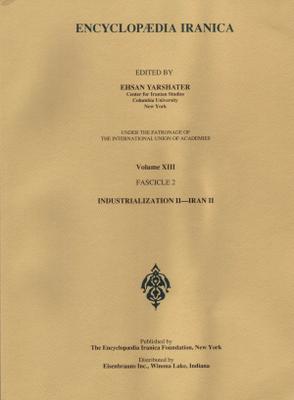 دفتر سوم از جلد سيزدهم ِ دانشنامه ي ِ ايران
در بيستمين سال ِ آغاز ِ نشر ِ دانشنامه ي ِ ايران، دفتر ِ سوم از جلد ِ سيزدهم اين مجموعه ي ِ يگانه و عظيم ِ ايران شناختي منتشرشد. در اين دفتر كه درآمدهايي از
IRAN II تا INDUSTRRIALIZATION II
را در بر مي گيرد، گفتارهاي پژوهشي و تحليلي ي ِ بسياري در زمينه هاي صنعتتي كردن در دوران پهلوي ي ِ دوم (دنباله ي ِ بخش پيشين ِ همين گفتار در دفتر ِ دوم ِ همين جلد)، قانون ارث (در دو بخش ِ روزگار ِ ساسانيان و دوران ِ پس از اسلام)، بيماري ي ِ اينفلونزا (گريپ)، دودمان ِ فرمانروايي ي ِ اينجو، اينوسترانتسو خاورشناس ِ روس (1876 - 1941)، اينسكتيورز (تيره اي از جانداران)، اينسكتز (حشره ها)، انستيتو پاستور در ايران، اينستيتوت فُر ايرانين فيلولُژي (انجمن زبان شناسي ي ِ ايراني در دانمارك)، اينستيتوت آو ايزمائيلي سْتَديز (انجمن پژوهشهاي ِ اسماعيلي شناختي)، اينستييوت آو سوشيال سْتَديز اَند ريسِرچْز (مؤسّسه ي ِ مطالعات و تحقيقات اجتماعي)، اينوِرتِبرِيت انيمالز (جانداران ِ بي مُهره)، اينْوِستيچِر آو كينگْز (آيين واگذاري ي ِ پادشاهي، فراگير ِ سه بخش ِ هخامنشي، پارتي و ساساني) همراه با تصويرهايي از سنگ نگاره هاي ِ نمايشگر ِ اين آيين در نقش ِ رستم و طاق بُستان، ايونيَن ريوُلت (شورش ِ ناكام ِ يونانيان در شهرهاي ِ آسياي ِ كِهين بر ضدّ ِ فرمانروايي ي ِ هخامنشيان در 499 تا 493 پيش از ميلاد)، اقبال ِ لاهوري (زندگي و اثرها)، ايرج (درباره ي كوچك ترين پسر فريدون شهريار اسطورگي ي ِ ايراني كه داستان اندوهبار زندگي ي ِ او در شاهنامه ي ِ فردوسي آمده است) ايرج ميرزا (شاعر پايان ِ عصر ِ قاجار) و سرانجام ايران (گفتاري بلند در بررسي و شناخت ِ سويه هاي هاي گوناگون شناخت سرزمين و مردم و اسطوره و تاريخ و فرهنگ ايرانيان از كهن ترين روزگاران تا كنون كه سيزده شاخه درآمد و ده زيرشاخه را دربرمي گيرد و در اين دفتر، تنها تا نيمه ي ِ دومين شاخه درآمد ِ آن، يعني تاريخ ِ ايراني: نگرشي كوتاه، درج شده است. بدين سان
دانشنامه ي ِ ايران در بيستمين سال ِ زادروز ِ فرخنده اش، به درآمد ِ "ايران" رسيده است.
اين تقارن ِ چشم گير را به فال ِ نيك مي گيريم و براي استاد ارجمند
دكتر احسان يارشاطر و همه ي همگامان و همكاران و ياوران ِ دور و نزديك ايشان در پي گيري ي ِ پويش در اين راه ِ خجسته ، آرزوي كاميابي داريم. ج.د.
posted by Jalil Doostkhah @
4:52 PM
Thursday, October 13, 2005
133. اندر حكايت ِ غرب ستايي و غرب ستيزي ي ِ ما ايرانيان
گفتار تحليلي ي زير از نويسنده ي ِ پژوهنده ي ِ ارجمند، بانو طاهره شيخ الاسلام، است كه بانو شعله شيدا امروز آن را به اين دفتر فرستاده اند. اين گفتار، پيش از اين در تارنماي ِ خبري ي ِ ايران ِ امروز درج شده است و من اكنون با سپاس از نويسنده و فرستنده، آن را براي آگاهي ي شمار بيشتري از هم ميهنان انديشه ورز و چاره جو و خواستار ِ شناخت ِ هرچه بهتر ِ انديشه و گفتار و كردار ِ ما ايرانيان، در اين صفحه بازمي آورم.ج. د.
Mon 10 10 2005 8:11
درباره دورويی، غربستايی و غربستیزی ما ایرانیان
دوشنبه ١٨ مهر ١٣٨٤
هجدهم خردادماه ٨٤ ، مجموعه فرهنگى هنرى تهران، ميزبان مهمانان انتشارات «قصيده سرا» بود تا با حضور عزتالله فولادوند، داريوش شايگان و فرهاد خسروخاور و با مديريت و اجراى حامد فولادوند، فرهنگ ايرانى مورد ارزيابى انتقادى قرار گيرد. پرسشهاى اصلى اين نشست، حول محور هويّت ايرانيان در هزاره سوم، علل خودشيفتگى و خودباختگى ايرانيان، تعصب و تسامح نزد ايرانيان، كتمان عقيده و دوگانگى فكرى نزد ايرانيان و... مى چرخيد.
مقاله حاضر در رابطه با مطالب عنوان شده در این همایش علمی نگاشته شده است.
آنچه مسلم است یکی از ویژگیهای فرهنگی ما ایرانیان "کتمان عقیده" است که عدهای آن را به دورنگی و دوروئی ما نسبت میدهند و عدهای دیگر آن را ناشی از ادب شرقی ما میدانند و بعضی نیز ریشه آن را در اقلیت قرار داشتن ما شیعیان، در زمانی میدانند که به دلیل وجود حاکمان سنی مذهب، مجبور به کتمان عقیده و یا تقیه شدیم. به نظر من این خصوصیت بیشتر زاده شرایط اجتماعی ماست، و به همین دلیل میتوان آن را در بیشتر مردمانی که در جوامع مشابه جامعه ما یعنی غیر دموکراتیک پرورش یافتهاند، مشاهده نمود. توضیح اینکه در چنین جوامعی رابطه انسانها معمولا رابطهای برابر نبوده بلكه اکثریت افراد در دو ردهی "بالا و پايين"؛ "رئيس و مرئوس"؛ "زبردست و زيردست"؛ قرار میگیرند. با یک نگاه میتوان دید که رابطه کارفرما و کارگر، رئيس و كارمند، معلم و شاگرد، والدين و فرزندان، شوهر و زن، بزرگ و کوچک در محدوده اجتماعات کوچکتر حتی یک خانواده، همه از این نوع است یعنی یک سوی آن زورگو و سوی دیگر زورپذیر ایستاده است. بدیهی است که افراد در هر موقعيتی كه باشند در عين این كه زير نفوذ اشخاص قدرتمندتر از خود قرار میگیرند، خود در رأس قدرت بوده و زيردستانی دارند که به برکت بیقانونی میتوانند به آنها اعمال ظلم نمایند. در چنین شرایطی همه در ترس از مافوق بسر میبرند و برای جلب حمایت او و یا دفع خطر از خود سعی در جلب رضایت او میکنند. این جلب رضایت از راههای مختلفی مثل تعریف و تمجید، موافقت با گفتهها و خواستههای مافوق، هدیه دادن (رشوه) ، تعظیم و تکریم و اظهار خاکساری و.... صورت میگیرد. پرواضح است که نظرات و عقایدی که ابراز آن باعث ناخشنودی فرادست میگردد در حضور او کتمان و در غیاب او مطرح میگردد و این همان است که "دورويی و ریا" نامیده میشود. اینک این سوال پیش میآید که چرا ما نه تنها با فرادستان بلکه با همطرازان خویش و بطور کلی با همه چنین رفتاری را در پیش میگیریم؟ علت این امر جایگزینی "ترس" با "احترام" است. بدین معنی که تمامی رفتارها و گفتارهائی که براساس ترس و ناامنی از ما سر میزند تا بوسیله آن مورد امنیت و حمایت مافوق قرار گیریم "احترام" خوانده شده است. این جایگزینی باعث شده که بنام احترام اعمالی از قبیل تعریف و تمجید، دست بوسی و خاکساری، کاربرد القاب و عناوین و بله قربان گوئیها بصورت گستردهای رواج یابد و از طرف همگان منطقی و معقول جلوه کند. طبیعتا وقتی این کارها احترام نامیده شد عدم انجام این اعمال و بیان حقیقتی که مغایر منافع و سلیقه دیگری باشد توهین تلقی شده و به گستاخی و بیادبی تعبیر میشود. بدون شک اگر ریشهیابی درستی از این پدیدهها نداشته باشیم و این رفتارها را بر اساس "ادب ایرانی" و یا "حجب و حیای شرقی" نام گذاری کنیم نتیجه خواهیم گرفت که غربیان با داشتن صداقت و صراحت لهجه بیادب و بیشرمند. چرا که آنان ناچار نیستند که مکررا یکدیگر و بویژه فرادستان را مورد تملق و چاپلوسی قرار دهند. و یا اگر این ویژگی را به حساب "تقیه و تشیع" بگذاریم به این بن بست میرسیم که حتما ایرانیان قبل از اسلام – برفرض اینکه دارای صراحت گفتار و صداقت کردار بودهاند- مردمانی بیادب بودهاند. متاسفانه ما قرنهاست که به خصوصیاتی نامطلوبی که ریشه آنها ناامنی و بیپناهی و بیقانونی بوده است قبای زیبای "ادب" و "احترام" و "مردمداری" و... پوشاندهایم و به آنها افتخار میکنیم. همین ذهینت است که فرایند دموکراسی را در کشور ما با مشکل روبرو کرده و میکند. چرا که دموکراسی با "نقد" شروع میشود و هنگامی که نقد "توهین" تلقی بشود، آن را برنخواهیم تافت، انتقاد کننده را دشمن قلمداد کرده و با او همان رفتاری را در پیش خواهیم گرفت که با دشمن حقیقی خود. نتیجه چنین برخوردهايی این است که ما در مقابل خطاهای یکدیگر سکوت کنیم، چشم خود را بر نابسامانیهای یکدیگر ببندیم و بدین ترتیب از ترقی و تعالی در سطح فردی بازمانیم و به تبع آن از رشد و پیشرفت در سطح اجتماعی و جهانی نیز باز مانیم.غرب ستايی در رابطه با غرب ستايی باید گفت که آنچه که ستوده میشود "غرب" نیست بلکه "قدرت" است که ستوده میشود و این ستایش را ما در تمامی طول تاریخ بشریت شاهد بودهایم. بشر هر چه را که در آرزوی بدست آوردن آنست میستاید و بشر بیش از هر چیز در آرزوی بدست آوردن قدرت است. با کمی دقت میتوان جنگ قدرت را در تمامی سطوح و ابعاد زندگی به مشاهده نشست. جنگ بین زن و مرد، سیاه و سفید، رئیس و مرئوس، کوچک و بزرگ همه و همه بر سر قدرت است. این قدرت است که به انسان شهامت میدهد، او را از دیگران بینیاز میکند و بدین ترتیب غرورش را که گرامی ترین سرمایه هستی اوست حفظ میدارد. تلاش انسانها در راستای دستیابی به ثروت و شهرت و محبوبیت همه در راستای کسب قدرت است. جنگ بر سر قدرت و به موازات آن ستایش قدرت و تلاش در نزدیک شدن به قدرتمند را میتوان در سطوح متفاوت دریافت. انسان برای حفظ خویش به غذا و مسکن و امنیت و در مراحل بالاتر به فعلیت رسانیدن استعدادهای خویش و لذت بردن از مواهب زندگی نیاز دارد و در جوامعی که این امنیت و رفاه توسط سیستمها فراهم نمیشود و قانونی حمایت از او را بعهده نمیگیرد، او این حمایت و امنیت را در نزدیک شدن به فرد قدرتمند بدست میآورد.آقای حامد فولادوند با اظهار این مطلب که: "به دكتر حسابى زياد توجه نمى شد ولى بعد از اينكه از آمريكا جايزه اى را دريافت كرد، مورد توجه قرار گرفت يا اينكه وقتى آقاى كيارستمى در فستيوال كن برنده شد كارهايش در داخل ايران هم مورد استقبال قرار گرفت يا اينكه وقتىهاشميان در تيم فوتبال بايرن مونيخ بازى كرد به تيم ملى ايران دعوت شد" و بیان اینکه خيلى از پژوهشگران ما سعى مى كنند كه كتابها و مقالات خود را به زبان انگليسى يا فرانسه بنويسند و اينگونه استدلال مى كنند كه اگر كار ما در غرب مورد توجه قرار گيرد، سپس در داخل هم مورد استقبال قرار مى گيريم نظر شرکت کنندگان در گردهم آیی را در این رابطه جویا شده بودند. بدیهی است همچنانکه فرزندان در جامعه پدر سالار به تایید پدر که بیشترین قدرت را - به دلیل تامین مالی خانواده- در دست دارد نیاز دارند؛ و همچنانکه دانش آموزی برای تایید خویش از سوی بقیه دانش آموزان نیاز به تایید معلم دارد که پرقدرت ترین فرد در کلاس است؛ و همچنانکه اگر کارمندی مورد محبت رئیس خود قرار گیرد سایر کارمندان برای او حساب دیگری باز میکنند؛ کارهای ما هم زمانی مورد استقبال خودمان قرار میگیرد که غربیان بر آن مهر تایید زده باشند. افزون بر مطالب فوق باید به نکته دیگری نیز اشاره شود و آن "رابطهای عمل کردن" در جوامعی چون جوامع ماست. ما میدانیم که در چنین جوامعی "کسی شدن" الزاما به معنای "کسی بودن" نیست و روابط نقش عمدهای در این مقوله بازی میکند. اما مطمئن هستیم که در غرب –بدون در نظر گرفتن موارد انگشت شمار- تا "کسی، کسی نباشد" "کسی نخواهد شد" و به جائی نخواهد رسید. آشکاراست که یکی از بزرگترین دلایل پیشرفت غرب همین است که استعدادها را شناسائی میکند و راه را برای رشد آنهاها باز میگذارد و به تبع آن کارها به کاردانها سپرده میشود و جامعه از روی ضوابط عمل میکند و نه روابط. آری غرب ستائی ما از قدرت ستائی ماست بخصوص که غرب علاوه بر برخوردار بودن از قدرت علمی، سیاسی، نظامی و تکنولوژیکی پیام آور دموکراسی و حقوق و آزادیهای فردی انسانهاست.غرب ستیزی در پاسخ به این سوال که چرا ما غرب ستیزیم باید گفت که طبیعتا انسان در عین حال که قدرت را میستاید، از اینکه خود فاقد آنست رنج میبرد و این رنج را در ستیزه با فرد قدرتمند آشکار میکند، احساس حسادت این ستیزه جويی را بگونه چشم گیری تشدید میکند. حسادت بدلایلی میتواند در انسان رشد بیش از اندازه داشته باشد. یکی از این دلایل مقایسههای ناسالم است که افراد از کودکی در معرض آن قرار میگیرند. این نوع مقایسه بین خواهران و برادران و کودکان همسن و سال توسط بزرگترها، بین شاگردان یک کلاس توسط معلم و بین افراد بزرگسال توسط خود آنها و بگونهای عادتی صورت میگیرد. با توجه به اين نکته كه اكثر اوقات افرادی در پیرامون ما وجود دارند كه در يك يا چند مورد از ما قابلتر و موفقترند، هميشه موردی برای تحقير شدن مان وجود دارد و كسی را از آن گريزی نيست. يك روز نقطه قوت ما را به رخ ديگری ميكشند و او را تحقير ميكنند و كينه ما را در دل او مينشانند و روز ديگر نقطه قوت ديگری را به رخ ما ميكشند، ما را تحقيرمی کنند و كينه او را در دل ما مينشانند. هر چند که ممکنست اين كار را با نيّت خير و در جهت ترغيب ما انسانها به بهتر شدن، انجام دهند. طبیعی است وقتی موفقیت هر کس چماقی برای تحقیر دیگری گردد، افراد از موفقیت کسانی که احتمال مقایسه شدنشان با آنان وجود دارد خوشحال نمیشوند و این همان حسادت است. این نوع مقایسه شدنها علاوه بر حسادت به خصوصیات منفی دیگری نیز منجر میشود که از آنجمله میتوان از عدم اعتماد به نفس، عدم قبول اشتباه خود، عيبجويی غیر اصولی از دیگران ، احساس زبونی در برابر بالادست، نياز به مطرح شدن، برحق ديدن خود، خود بزرگ بینی، عدم رعايت حق ديگران، تداخل عقيده و احساس، شكاكيت، به خود گرفتن مسایل و تفسير رفتارها، قياس به نفس و... نام برد. حسادت همانطور که گفته شد خود را در ستیزه گری با فرد موفق از طریق تحقیر او و بزرگ نشان دادن خود یا فخر فروشی نشان میدهد. این خصوصیت در فراسوی مرزها هم بهمان صورت خود بروز میکند به خصوص زمانی که ما خود را از دریچه چشم فردی غربی نگاه میکنیم تصور میکنیم که او ما را به چشم حقارت میبیند چرا که معمولا در جامعه ما به افراد فرودست به چشم حقارت نگریسته شده. به این احساس زمانی بیشتر دامن زده میشود که ما از سوی غربیان نه تنها با تعریف و تمجید و تعارفات مواجه نمیشویم بلکه آنان با صراحت لهجه اشتباهات ما را در محیط کار یا در اجتماع به ما گوشزد میکنند و یا گاه با نظر و عقیده ما مخالفت میورزند. این نوع برخورد صادقانه که برای غربیان بسیارعادی است برای ما که به جز شنیدن تعریف و تمجید عادت به شنیدن چیز دیگری نداریم توهین تلقی شده و آن را به حساب حقیر دیده شدن خود از طرف آنها و یا نژاد پرستی شان میگذاریم و اینجاست که با آنان به ستیزه بر میخیزیم؛ این ستیزه جوئی گاه در برخورد مستقیم خود را نشان میدهد و به تنش بیشتر در بین دو فرد (شرقی و غربی) منجر میگردد، اما بیشتر اوقات با انتقاد از دموکراسی و یا بیبند و باریهای جنسی آنان، و با اظهار این مطلب که کاخ آنان بر کوخ ما استوار شده است صورت میگیرد و یا اینکه درپی اثبات خویش بر میآییم و در این راستا تاریخ را ورق میزنیم گاهی دو هزار و گاه حتی تا شش هزار سال به عقب بر میگردیم تا موردی برای فخر فروشی به آنان بیابیم و ثابت كنيم که هر چه كه غربیان امروزه دارند ما در گذشتههای دور داشتهايم و پيشرفت امروز غرب ريشه در تاريخ و فرهنگ گذشته ما داشته است و به این نمیاندیشیم که مثلا اگر باربیکیوی آنان همان منقل ما و یا یکشنبههایشان (سان دی) همان روز خورشید در فرهنگ میترائی ما بوده، اینها هیچیک دردهای بیشمار امروز ما را درمان نمیکند. این ذهنیت و این نگاه در بین عدهای از ما ایرانیان باعث شده است که روی بگذشته آوریم، از حال و واقعیتهای آن غافل شده و در عقب ماندگی خود همچنان درجا بزنیم.
-------------------------------------------------------------
* از بدو ورودم به استرالیا در سال ١٩٩٢ توجّهم به تفاوتهای فرهنگی بین ما و غربیها جلب شد و از آن پس به کاوش در چند و چون این تفاوتها پرداختم. حاصل آن کتابی شد بنام "ما چرا چنین شدیم؟" که در سال ٢٠٠٠ در سيدني (استراليا) به چاپ رسید. این کتاب به گونهای اجمالی به بررسی خُلق و خوی ما ایرانیان و مردم سایر جوامع غیر دموکراتیک میپردازد. ریشه یابی تفصیلی این خلقیّات و عادات و آداب و رسوم در کتاب دیگری به نام "در اسارت فرهنگ" آمده است که در انتشارات روزنه آخرین مراحل چاپ خود را میگذراند.
posted by Jalil Doostkhah @
9:07 PM
132. اَلْعَوامُ كَالْانْعام!
در تاريخ 28 سپتامبر 2005 در درآمدي با عنوان ِ شعري از رابيند رانات تاگور، ضمن اشاره به سفر تاگور به ايران در سال 1313 خورشيدي، خاطره اي از استادم پورداود را در مورد ِ ديدار ِ تاگور با شريعت سنگلجي در تهران نقل كردم. امروز نوشته اي را از دوست ارجمندم مهرداد رفيعي دريافتم در مورد ِ توصيف شيخ محمّد سنگلجي _ برادر ِ شريعت سنگلجي _ از پايگاه ِ خود ِ او و برادرش در دانش و فضل در برابر ديگرْ مردم كه گمان مي برم به خواندنش بيرزد و شايد كامل كننده ي ِ يادداشت 28 سپتامبرم باشد. با سپاس از مهرداد ارجمند و با اجازه ي او، نوشته ي وي را _ چُنان كه هست _ در پي مي آورم. عنوان ِ درآمد ِ امروز را از متن ِ سخن نقل كرده از شيخ محمّد سنگلجي گرفته ام كه تعبيري است قرآني به مفهوم ِ "توده ي ِ مردم، همتَراز با چهارپايان اند." ج. د.
شيخ محمّد سنگلجي استاد ِ فقه ِ دانشكده ي ِ حقوق بود. روزي در سر ِ كلاس، در تاييد ِ مراتب فضل و دانش ِ برادر ِ بزرگش مرحوم ِ شريعت سنگلجي داد ِ سخن مي داد. من مي كوشم تا گفته هاي او را تقريبا با همان لحن و تكيه كلام هاي ِ "آقا! آقا!" عينا نقل كنم. (مهرداد رفيعي)
استاد مي فرمود:
"مردم بر سه دسته اند، آقا! يك دسته سنخا فاضل اند، آقا! چيزفهم اند. اينها مظهر ِ فهم و كمالند، آقا! وجودشان به مِصباح ِ معرفت ِ ذاتي، روشن ِ خدايي است؛ مِثْل ِ اَخَوي _ رضْوانُ الله عَلَيه _. عدّه اي ذاتا فاضل نيستند، آقا! و با رنج و زحمت، كسب ِ معرفت مي كنند و فاضل مي شوند؛ مثل ِ بنده، آقا! امّا دسته اي هم هستند كه نه ذاتا فاضل اند، آقا! نه زحمت مي كشند، نه دود ِ چراغ مي خورند تا كسب ِ علم و دانش بكنند؛ اينها اَلْعَوامُ كَالْانْعام مي مانند؛ مانند ِ گوساله مي آيند و گاو مي روند؛ مثل ِ شما، آقا!"
و با دست به همه ي ِ ما كه رو به روي ِ او نشسته بوديم، اشاره مي كرد!
posted by Jalil Doostkhah @
6:44 PM
Wednesday, October 12, 2005
131. كوششي فراگير و جهاني براي رهايي بخشي ي ِ مُرده ريگ فرهنگي ي ايرانيان
چندي پيش گزارش هاي گوناگوني را در باره ي نگراني ي ايرانيان و همه ي دوستداران مرده ريگ فرهنگي ي باستاني ي ايران از به خطر افتادن ِ يادمان هاي باستاني ي دشت ِ پاسارگاد و تنگ ِ بُلاغي در پي ِ آبگيري ي سدّ ِ سيوند در اين تارنما آوردم. امروز پيامي از آقاي دكتر تورج پارسي عضو ِ كميته ي بين المللي براي نجات ِ آثار باستاني ِ دشت ِ پاسارگاد، به اين دفتر رسيد كه با سپاس از آگاهي رساني ي ِ ايشان، براي اطّلاع ِ همه ي ايرانيان و ايران دوستان در پي مي آورم تا با روي آوري به نشاني هاي چهارگانه ي همراه ِ پيام، با كار ِ فراگير و جهان شمول اين كميته آشناشوند و به كارزار ِ جهاني براي گزاردن ِ اين خويشكاري ي ِ فرهنگي ي ِ ايراني و انساني بپيوندند. ج. د.
posted by Jalil Doostkhah @
5:32 PM
Monday, October 10, 2005
برنامه ي ِ دو سخنراني از سوي "انجمن دوستداران ِ دانشنامه ي ِ ايران در سيدني (استراليا)
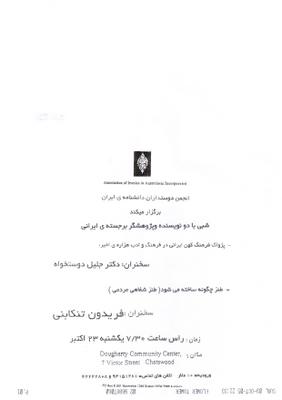
انجمن دوستداران دانشنامه ي ِ ايران در سيدني برگذارمي كند
شبي با دو نويسنده و پژوهشگر ايراني
يك) دكتر جليل دوستخواه: پژواك ِ فرهنگ ِ كهن ِ ايراني در فرهنگ و ادب ِ هزاره ي ِ اخير
دو) فريدون تُنكابُني: طنز چگونه ساخته مي شود؟ (طنز ِ شفاهي ي ِ مردمي)
زمان: سر ِ ساعت 30 / 7 يكشنبه يكم آبان 1384 (23 اكتبر 2005)
مكان:
Dougherty Community Center
7 Victor Street, Chatswood, NSW.
بهاي بليت ِ ورودي: 10 دلار
شماره ي ِ تلفن هاي تماس : 94151281 و 42222808
posted by Jalil Doostkhah @
6:44 AM
Sunday, October 09, 2005
رُستم اَبَر پهلوان: مردم فهم گردانيدن ِ يك اسطوره ي ِ ايراني
به گزارش ِ آگاهي نامه ي ِ پيوند -- كه نشاني اش را در زير مي آورم -- بروس بهمني (فرزند ِ پدري ايراني و مادري فرانسوي) گامي تازه در راستاي ِ بازشناساندن چهره ي ِ رُستم، پهلوان بزرگ و محوري ي ِ شاهنامه ي فردوسي به نسل هاي امروزين ِ خوانندگان، به ويژه در سرزمين هاي غربي، و همگاني و مردم فهم گردانيدن ِ اسطوره ي ِ كهن ِ ايراني برداشته است.
وي با همكاري ي شماري از دست اندركاران توليد ِ كتابهاي كم حجم با نگاره هاي رنگين ِ دلخواه ِ كودكان و نوجوانان، انتشار مجموعه اي از اين دست را بر بُنياد ِ داستان هاي رُستم در حماسه ي ِ ايران طرح ريزي كرده و اكنون نخستين دفتر از اين مجموعه ي ابتكاري را با عنوان ِ
Rostam Super Hero: Popularizing A Persian Myth
روانه ي بازار كتاب جهاني كرده است.
مي توان اميدوار بود كه اين كوشش، پويه اي سزاوار باشد هم در سويه ي ِ آشناگردانيدن ِ كودكان و نوجوانان غربي با بخشي از بُنيادهاي اسطوره و فرهنگ ِ كهن ِ ايراني و گشودن ِ چشم ها و ذهن هاي آنان به ديدن و خواندن و دريافتن شناخت نامه ي ِ راستين ِ اين فرهنگ از يك سو و هم در راستاي ِ رهنموني ي ايرانيان نسل ِ دوم و سوم مقيم ِ كشورهاي باختري در دورزيستي ي ِ ناگزيرشان از سرچشمه هاي ميراث ِ فرهنگي ي ِ نياكان و حتّا نا آشنايي با فارسي خواني و بهره گيري از كتابهاي فارسي زبان و جاي داشتن ِ آنان در حلقه ي توانمند و تاثيرگذار ِ رسانه هاي چاپي و آوايي و تصويري ي غربي و ناخواسته مجذوب و مسحور آنها شدن، از سوي ِ ديگر.
شايد بتوان دامنه ي ِ بيشتري بدين خوش بيني و آينده نگري داد و گفت كه اين كوشش و كُنِش ِ فرهنگي - ادبي اگر به همان گونه كه دست اندر كارانش نويد داده اند، پي گرفته شود و پويا و پايدار بماند، خواهد توانست در اين گُستره ي ِ زماني كه در آنيم، نقشي كليدي و بسيار سازنده بِوَرزَد و كوشش هاي ديگري را در پي آوَرَد. چُنين باد!
------------------------------------------
خوانندگان ارجمند ِ اين صفحه، براي خواندن ِ متن گفت و شنود ِ داريوش كديور و بروس بهمني -- كه بازآوردن ِ آن در اين جا بايستگي ندارد -- و نيز ديدن تصويرهايي از كتاب و كارگزاران توليدش -- كه به سبب هاي فنّي نتوانستم آنها را بدين صفحه انتقال دهم -- مي توانند به نشاني ي ِ پيوند در زير ، روي آورند
About the Author: Born in the US to an Iranian father and French mother Darius Kadivar is a freelance journalist based in Paris, France.
posted by Jalil Doostkhah @
8:08 PM
پاسخ ها و بازتاب هاي تازه نسبت به گفتار ِ نويسنده ي گاردين
پيام زير كه امروز بدين دفتر رسيد، رهنمود دارد به گفتار ِ تازه اي از پژمان اكبرزاده در شرق و بازتاب هاي تازه نسبت به گفتار نژادپرستانه و ايران ستيزانه ي ِ يك انگليسي ي ِ يونان زده و يكسونگر كه در گاردين نشر يافت و بازتاب هايي نسبت بدان را چندي پيش در همين صفحه آوردم .
posted by Jalil Doostkhah @
7:20 PM
آموزه ي ِ زرتشت، ياري به هم نوعان يا هم كيشان؟
حضرت شيخ ابوالحسن خَرَقاني -- قَدّسَ الله تعالي سِرّه -- بر سر در ِ
خانقاه ِ خود نوشته بود:
"هركه در اين سرا درآيد، نانش دهيد و از ايمانش مپرسيد؛ چه آن كس كه
به درگاه ِ باري -- تعالي -- به جان اَرْزَد، البتّه بر خوان ِ ابوالحسن به نان اَرْزَد."
پيام ِ زير را كه نويسنده ي ِ آن به اين دفتر فرستاده است، همان گونه كه هست، در اين صفحه بازمي آورم. تنها اين پرسش ها را در ميان مي نهم كه زرتشت ِ بزرگ، در كجاي ِ سرودهاي جاودانه اش گاهان ِ پنجگانه، مردمان را به جاي فراخواني به ياوري ي ِ هم نوعان، به كمك رساني به هم كيشان سفارش داده است؟ آيا كورش ِ بزرگ كه فرمان ِ آزادي ي ِ يهوديان ِ گرفتار در بابل و بازسازي ي ِ پرستشگاه هاي آنان در اورشليم را داد، كاري ناهمخوان با آموزه ي زرتشت كرد؟ و سرانجام، آيا با اين گونه يك سو نگري و جزم باوري در تنگناي ِ بسته ي ِ يك كيش، مي توان داعيه ي ِ رهرو ِ راه ِ اَشَه بودن و رويكرد و پيوند و پيمان داشتن با سه رهنمود ِ گوهرين ِ زرتشت: انديشه ي ِ نيك، گفتار ِ نيك و كردار ِ نيك را داشت؟
ج. د.
Good Deed NeededAmong many people who are returning back to what is left from Hurricane Rita’s devastating damage could be our fellow Behdins. The preliminary damage assessment of Hurricane Rita is very heartbreaking. In these hard times, we, World Behdin Fellowship, would like to extend our helping hand to all those Behdins who have suffered in this horrifying catastrophe. Please contact us at: we_care@behdins.org. We will try to help in any possible way we can.
On the same line, we invite ALL Followers of the Good Religion to JOIN US in helping our Behdins and many other helpless souls to get back on their daily life. Join us today- contact we_care@behdins.org.
We Care,
Yasamin Irani,Orange County, Southern California,World Behdin Fellowship P.S. As per our findings, all members of Word Behdin Fellowship who are residing in that area are safe.
posted by Jalil Doostkhah @
6:24 PM
زهي كبوتر ِ سَپيد ِ آشتي ...
 پرواز كبوتر ِ سَپيد آشتي بر فراز ِ گوي ِ زمين
و رهايي يافتن ِ هميشگي ي ِ انسانِ از كابوس ِ جنگ
آرزوي ِ پُرشور ِ همه ي آدمي خويان و نيك انديشان در سراسر ِ جهان
نگا. يادداشت پيشين و چكامه ي ِ جُغد ِ جنگ
آشتي جويي و پروا و پرهيز از دامن زدن به ستيزه و دست آلودن دركشتار و خونريزي، در فرهنگ والاي ايراني، پيشينه اي ديرپا دارد و نه تنها در ادب غنايي و عرفاني ي ِ ما سخت چشم گير است؛ بلكه حتّا در ادب حماسي و چكاد ِ بلند ِ آن، شاهنامه ي فردوسي امري بُنيادين و نهادين به شمار مي آيد.
با آن كه درونمايه ي اصلي و عمده ي شاهنامه، زنجيره ي بسيار دراز ِ روايت هايي از رزم ها و كشمكش هاي ايرانيان با تيره هاي بيابان گرد و تازشگر، بر سر ِ پاسداري از زندگي مردمان و ارزش هاي انساني و فرهنگي ي ايراني بودن و ايراني ماندن و سرافراز و آزاد زيستن است و هر نبرد و جنگي، پشتوانه و توجيه منطقي ي ِ ويژه ي خود را دارد، به جز برخي استثناها، بيشتر شهرياران و پهلوانان همواره در نكوهش جنگ و جنگبارگي و تلخي و شومي ي خونريزي و كشتار و دست به تاراج گشودن -- كه از پي آمدهاي غالب جنگهاست -- سخن مي گويند و فردوسي خود نيز هيچ فرصتي را براي بيان و شرح فاجعه هاي ناشي از جنگ فرونمي گذارد. پژواك بانگ آشتي جويي و مردم دوستي و انسان باوري ي ِ نمونه و والاي او را در سرتاسر حماسه ي بزرگش مي توان به گوش جان شنيد:
ز ِ جنگ، آشتي بي گمان بهتر است / چُنان دان كه گاوَت به چرم اندرست
ستيزه به جايي رسانَد سخن / كه ويران كند خانمان ِ كهن
و ده ها و صدها نمونه ي ديگر از اين دست كه هريك، سطري از سند ِ آشتي گرايي و جنگ گريزي ي ِ نياكان خِرَدوَرْز ماست.
در هزاره ي ِ پس از فردوسي نيز به هر دفتر و ديوان بر جاي مانده از بزرگان ِ ادب و شعر كه روي آوريم، همين نغمه ي دلاويز آشتي را از ميان هزاران واژه ي خاموش وار به رساترين بانگي مي شنويم.
شصت سال پيش از اين، محمّد تقي بهار (ملك الشّعرا) در واپسين سال زندگاني اش، با رويكرد به همه ي آن پيشينه ي آشتي ستايي و ستيزه نكوهي ي نياكان و برداشتي از همه ي جنگ هاي ويرانگر و خانمان برانداز در تاريخ خونبار ِ ميهننمان از يك سو و تجربه هاي آموخته از دو جنگ مهيب و هولناك جهاني در سده ي بيستم، بانگ برآورد و چكامه ي شيواي جُغد ِ جنگ را سرود كه گويي جمع بندي ي همه ي ِ دريافت ها و احساس هاي ايرانيان را از گذشته هاي دور تا روزگار وي در خود دارد و امروز نيز پس از گذشت چندين دهه از زمان ِ سرايش ِآن همچنان تازه و سخن ِ دل ِ همگان است.
در همين روزهاي نزديك گذشته، يعني در 30 سپتامبر كه روز جهاني ي صلح ناميده شده است، به رغم كاميابي هاي بسيار اندك و كم رنگ نهادهاي جهاني در اين راستا و شعله ور بودن آتش جنگ درافغانستان و عراق و تهديدهاي هر روزه ي جنگ افروزان و جنگ سالاران نسبت به جنگ در گوشه هاي ديگري از جهان، باز هم در جاهايي سخن از بايستگي از پاسداري از صلح و پيش گيري از جنگ به ميان آمد و دبير كلّ سازمان ملل متّحد نيز پيامي به همين مناسبت فرستاد.
چكامه ي ِ هميشه روزآمد ِ بهار ِ شعر ِ پارسي صادقانه ترين سخن از دل برآمده و همچنان دل نشيني است كه مي تواند سهم ايرانيان فرهيخته را در بيان آرزوي پُرشور آشتي جويي و آرمان والاي صلح خواهي بيان دارد.
با يادي ديگر از بهار و ارج گزاري ي پايگاه ادبي و فرزانگي ي او، اين چكامه را هم با نگاشت ي فارسي و هم به گونه ي آوانوشت ِ لاتين در اين صفحه آوردم تا جوانان ايراني ي بيرون از ميهن نيز بتوانند آن را بخوانند و دريابند كه در گنجينه ي فرهنگ ِ ملّي ي ايرانيان چه گوهرهايي جاي دارد.
اي كاش مترجمي چيره دست به ترجمه ي رسايي از اي سرود ِ يگانه ي ِ آشتي به زبان ِ جهان شمول انگليسي مي پرداخت تا ديگران نيز به گنج شايگان ادب ما راهي داشته باشند و در ميان هياهوهاي سياست بازان و جنجال هاي رسانه ها، ما را دست ِ كم نگيرند. ج. د.
posted by Jalil Doostkhah @
7:55 AM
فَغان ز ِ جُغد ِ جنگ و مُرغْواي ِ او
محمّد تقي بهار
(ملك الشّعرا)
جُغد ِ جنگ
فغان ز جُغد ِ جنگ و مُرغواي ِ او / كه تا ابد بريده باد ناي ِ او
بُريده باد ناي ِ او و تا ابد / شكسته و گُسسته پَرّ و پاي ِ او
ز ِ من بُريده يار ِ آشناي ِ من / كزو بُريده باد آشناي ِ او
چه باشد از بلاي ِ جنگ، صَعب تر/ كه كس امان نيابَد از بلاي ِ او
شراب ِ او ز خون ِ مرد ِ رنجبر/ وُ زاستخوان ِ كارگر غِذاي ِ او
همي زَنَد صَلاي ِ مرگ و نيست كس/ كه جان بَرَد ز صَدمَت ِ صَلاي ِ او
همي دَهَد نِداي ِ خَوف و مي رَسَد/ به هر دلي مَهابَت ِ نِداي ِ او
همي تند چو ديوپاي در جهان / به هر طرف كشيده تارهاي ِ او
چو خَيل ِ مور گِرد ِ پاره ي ِ شكر / فُتَد به جان ِ آدمي عَناي ِ او
به هر زمين كه باد ِ جنگ بَروَزَد / به حلق ها گِرِه شود هواي ِ او
در آن زمان كه ناي ِ حَرب دردَمَد / زمانه بي نوا شود ز ناي ِ او
به گوشها خروش ِ تُندَر اوفتد / ز بانگ توپ و غُرّش و هُراي ِ او
جهان شود چو آسيا و دم به دم / به خون ِ تازه، گردد آسياي ِ او
رونده تانك همچو كوه ِ آتشين / هزار گوش كَركُنَد صداي ِ او
همي خَزَد چو اَژدَها و درچَكَد / به هر دلي شرنگ ِ جان گزاي ِ او
چو پَر بگسترد عُقاب ِ آهنين / شكار ِ اوست شهر و روستاي ِ او
هزار بيضه هر دمي فروهِلَد / اجل دَوان چو جوجه از قَفاي ِ او
كُلَنگ سان دِژ ِ پَرَنده بنگري / به هندسي صفوف ِ خوش نَماي ِ او
چو پاره پاره ابر كافگَنَد همي / تگرگ ِ مرگ، ابر ِ مرگ زاي ِ او
به هر كرانه دستگاهي آتشين / جَهيمي آفريده در فضاي ِ او
ز ِ دود و آتش و حَريق و زلزله / ز ِ اشك و آه و بانگ ِ هاي هاي ِ او
به رَزمگَه خداي ِ جنگ بگذرد / چو چشم ِ شير، لعل گون قَباي ِ او
اَمَل، جَهان ز ِ قَعقَعه يْ سِلاح ِ وي / اَجَل، دوان به سايه ي ِ لِواي ِ او
نهان به گَرد، مِغْفَر و كلاه ِ وي / به خون كشيده موزه و رَداي ِ او
به هر زمين كه بگذرد، بگستَرَد / نِهيب ِ مرگ و درد، وَيل و واي ِ او
دو چشم و گوش ِ دَهر، كور و كَر شود / چو بَرشود نَفير ِ كَرّ ِناي او
جهان خوران ِ گنج بَر به جنگ بَر، / مُسَلّطند و رنج و اِبتِلاي ِ او
بَقاي غول ِ جنگ هست درد ِ ما / فَناي ِ جنگبارگان دواي ِ او
ز ِ غول ِ جنگ و جنگبارگي بَتَر / سرشت ِ جنگباره و بقاي ِ او
اَلا حَذر ز ِ جنگ و جنگبارگي / كه آهريمن است مُقتَداي ِ او
نبيني آن كه ساختند از اَتُم / تمام تر سِليحي اَذكياي ِ او
لَهيبَش اَر به كوه ِ خاره بگذرد / شود دوپاره كوه از اِلتقاي ِ او
تَف ِ سَموم ِ او به دشت و دَر كُنَد / ز ِ جانور تَفيده تا گياي ِ او
شود چو شهر ِ لوط شُهره بُقْعَتي / كزين سِلاح داده شد جزاي ِ او
نمانَد ايچ جانْوَر به جاي بَر / نه كاخ و كوخ و مردم و سراي ِ او
به ژاپن اندرون، يكي دو بمب از آن / فُتاد و گشت باژگون بناي ِ او
تو گفتي آن كه دوزخ اندرو دهان / گُشاد و دَم بِرون زد اَژدَهاي ِ او
سپس به دَم فروكشيد سر به سر / ز ِ خلق و وَحش و طَير و چارپاي ِ او
شد آدمي به سان ِ مُرغ ِ بابْزَن / فَرَسْپ ِ خانه گشت گِردِناي ِ او
* * *
بُوَد يقين كه زي خراب رَه بَرَد / كسي كه شد غُراب رهنماي ِ او
به خاك ِ مشرق از چه رو زنند رَه / جهان خوران ِ غرب و اَولياي ِ او
گرفتم آن كه ديگ شد گُشاده سر / كجاست شرم ِ گربه و حياي ِ او؟!
كسي كه در دلش به جُز هواي ِ زَر / نيافريده بويه اي خداي ِ او
رفاه و ايمِني طمع مدار هان / ز ِ كشوري كه گشت مُبتلاي ِ او
به خويشتن هَوان و خواري افگَنَد / كسي كه در دل افگَنَد هواي ِ او
نِهَند منّت ِ نداده بر سَرَت / وُ گر دَهَند، چيست ماجَراي ِ او؟!
به نان ِ اَرْزَنَت بساز و كُن حَذَر / ز ِ گندم و جَو و مس و طلاي ِ او
به سان ِ كَه، كِه سوي ِ كَهرَبا رَوَد / رَوَد زَر ِ تو سوي ِ كيمياي ِ او
نه دوستيش خواهم و نه دشمني / نه ترسم از غُرور و كِبرياي ِ او
همه فريب و حيلَت است و رَهزَني / مخور فريب ِ جاه و اِعتِلاي ِ او
غِناي ِ اوست اشك ِ چشم ِ رنجبر /مَبين به چشم ِ ساده در غِناي ِ او
عَطاش را نخواهم و لِقاش را / كه شوم تر لِقايَش از عطاي ِ او
لِقاي ِ او پليد چون عَطاي ِ وي / عَطاي وي كَريه چون لِقاي ِ او
* * *
خُجسته روزگار ِ صُلح و ايمِني / شكفته مرز و باغ ِ دلگُشاي ِ او
خُجسته عهد ِ راستي و مردمي / فروغ ِ عشق و تابش و ضياي ِ او
خُجسته دَور ِ ياري و برادري / حيات ِ جاوداني و صفاي ِ او
فَناي ِ جنگ خواهم از خداي ِ خود / بَقاي ِ خلق بسته در فَناي ِ او
زِهي كبوتر ِ سَپيد ِ آشتي / كه دل بَرَد سرود ِ جان فزاي ِ او
رسيد وقت ِ آن كه جُغد ِ جنگ را / جُداكنند سر به پيش ِ پاي ِ او
* * *
بهار ِ طبع ِ من شكفته شد چو من / مَديح ِ صُلح گفتم و ثَناي ِ او
بر اين چَكامه آفرين كند كسي / كه پارسي شناسد و بهاي ِ او
بدين قصيده برگذشت شعر ِ من / ز ِ بِن دُرَيد و از اَما صَحاي ِ او
شد اقتدا به اوستاد ِ دامغان / " فَغان از اين غُراب ِ بَين و واي ِ او"
تابستان 1329 خورشيدي
-------------------------------------------------------
ديوان بهار، جلد يكم، چاپ چهارم، انتشارات اميركبير - 1358 *
Mohammad-Taqi Bahaar(Malek-al-Sho’araa’)
joghd-e jang
Faghaan ze joghd-e jang o morghvaa-ye oo
Ke taa abad boride-baad naay-e oo
Boride-baad naay-e oo vo taa abad
Gosaste vo shekaste parr o paa-ye oo
Ze man boride yaar-e aashnaa-ye man
Kazoo boride-baad aashna-ye oo
Che baashad az balaa-ye jang sa'b-tar
Ke kas amaan-nayaabad az balaa-ye oo
Sharaab-e oo ze khoon-e mard-e ranj-bar
O-z-ostokhaan-e kaargar ghezaa-ye oo
Hami zanad salaa-ye marg o nist kas
Ke jan-barad ze sadmat-e salaa-ye oo
Hami dahad nedaa-ye khowf o mi-rasad
Be har deli mahaabat-e nedaa-ye oo
Hami tanad cho div-pay dar jahaan
Be har taraf kashide taarhaa-ye oo
Cho kheyl-e moor gerd-e paare-ye shekar
Fotad be jaan-e aadami ‘anaa-ye oo
Be har zamin ke baad-e jang bar-vazad
Be halgh-haa gereh-shavad havaa-ye oo
Dar an zamaan ke naa-ye harb dar-damad
Zamaane bi-navaa shavad ze naay-e oo
Be goosh-haa khoroosh-e tondar ooftad
Ze baang-e toop o ghorresh o horaa-ye oo
Jahaan shavad cho asiyaa vo dam-be-dam
Be khoon-e taaze gardad asiyaa-ye oo
Ravande taank hamcho kooh-e aatashin
Hezaar goosh kar konad sedaa-ye oo
Hami khazad cho ajdahaa vo dar-chekad
Be har deli sharang-e jan-gazaa-ye oo
Cho par begostarad oghaab-e ahanin
Shekaar-e oost shahr o roostaa-ye oo
Hezaar bayze har dami foroo-helad
Ajal davaan cho jooje az ghafaa-ye oo
Kolang-san dej-e parande bengari
Be hendesi sofoof-e khosh-namaa-ye oo
Cho paare-paare abr kafkanad hami
Tagarg-e marg abr-e marg-zaa-ye oo
Be har karaane dastgaahi aatashin
Jahimi aafaride dar fazaa-ye oo
Ze dood o aatash o harigh o zelzele
Ze ashk o aah o baang-e haay-haay-e oo
Be razm-gah khodaa-ye jang bogzarad
Cho chashm-e shir la'lgoon ghabaa-ye oo
Amal, jahaan ze gha'-gha'-e selah-e vey
Ajal, davaan be saaye-ye levaa-ye oo
Nahaan be gard, meghfar o kolaah-e vey
Be khoon kashide mooze vo radaa-ye oo
Be har zamin ke bogzarad begostarad
Nehib-e marg o dard, vayl o vaay-e oo
Do chashm o goosh-e dahr koor o kar shavad
Cho bar-shavad nafir-e karrenaay-e oo
Jahaan-khoran-e ganj-bar be jang bar
Mosallatand o ranj o ebtelaa-ye oo
Baghaa-ye ghool-e jang hast dard-e maa
Fanaa-ye jangbaregaan davaa-ye oo
Ze ghool-e jang o jangbaaregi batar
Seresht-e jangbaare vo baghaa-ye oo
Alaa hazar ze jang o jangbaaregi
Ke aahriman ast moghtadaa-ye oo
Nabini an ke saakhtand az atom
Tamaam-tar selihi ‘azkiyaa-ye oo
Lahibash ar be kooh-e khare bogzarad
Shavad do-pare kooh az elteqaa-ye oo
Taf-e samoom-e oo be dasht o dar konad
Ze jaanvar tafide ta giyaa-ye oo
Shavad cho shahr-e loot shohre boq'ati
Kaz in selah dade-shod jazaa-ye oo
Namaanad ich jaanevar be jaay bar
Na kaakh o kookh o mardom o saraa-ye oo
Be japon andaroon yeki do bomb az aan
Fotaad o gasht bajgoon banaa-ye oo
To gofti an ke doozakh andaroo dahaan
Goshaad o dam beroon-zad ajdahaa-ye oo
Sepas be dam foroo-kashid sar-be-sar
Ze khalgh o vahsh o tayr o chaarpaa-ye oo
Shod aadami be-saan-e morgh-e baabzan
Farasp-e khaane gasht gerdnaay-e oo
Bovad yaghin ke zi kharaab rah-barad
Kasi ke shod ghorab rahnamaa-ye oo
Be khaak-e mashregh az che roo zanand-rah
Jahaan-khoraan-e gharb o awliaa-ye oo
Gereftam aan ke dig shod goshade-sar
Kojaast sharm-e gorbe vo haya-ye oo
Kasi ke dar delash bejoz havaa-ye zar
Nayafaaride booye-i khodaa-ye oo
Refaah o imeni tama'-madar haan
Ze keshvari ke gasht mobtalaa-ye oo
Be khishtan havaan o khaari afganad
Kasi ke dar del afganad havaa-ye oo
Nehand mennat-e nadaade bar sarat
O gar dahand chist maajaraa-ye oo
Be naan-e arzanat besaaz o kon-hazar
Ze gandom o jo vo mes o talaa-ye oo
Be-saan-e kah ke sooy-e kah-roba ravad
Ravad zar-e to sooy-e kimiyaa-ye oo
Na doostish khaaham o na doshmani
Na tarsam az ghoroor o kebriyaa-ye oo
Hame farib o hilat ast o rah-zani
Makhor farib-e jaah o e'telaa-ye oo
Ghenaa-ye oost ashk-e chashm-e ranj-bar
Mabin be chashm-e sade dar ghenaa-ye oo
‘Ataash ra nakhaaham o leqaash raa
Ke shoomtar leqayash az ‘ataa-ye oo
Leqaa-ye oo palid choon ‘ataa-ye vey
‘Ataa-ye vey karih choon leqaa-ye oo
* * *
Khojast roozgaar-e solh o imeni
Shekofte marz o baagh-e del-goshaa-ye oo
Khojast 'ahd-e raasti o mardomi
Foroogh-e 'eshgh o taabesh o ziyaa-ye oo
Khojast dowr-e yaari o baraadari
Hayaat-e jaavdaani o safaa-ye oo
Fanaa-ye jang khaaham az khodaa ke shod
Baqaa-ye khalgh baste dar fanaa-ye oo
Zehi kabootar-e sepid-e aashti
Ke del-barad sorood-e jaan-fazaa-ye oo
Rasid vaght-e an ke joghd-e jang ra
Jodaa-konand sar be pish-e paa-ye oo
* * *
Bahaar-e tab'e man shekofte-shod cho man
Madih-e solh goftam o sanaa-ye oo
Bar in chakaame aafarin-konad kasi
Ke Paarsi shenaasad o bahaa-ye oo
Bedin ghaside bar-gozasht she'r-e man
Ze Ben-Doraid o az ‘ama sahaa-ye oo
Shod eqteda be oostad-e daamghan
“Faghaan az in ghoraab-e bayn o vaay-e oo”
Taabestaan-e 1329 Khorshidi (Summer 1950 A.D.) *
-------------------------------------------------------------------------------
* (Divan-e Bahar, jeld-e avval, chap-e chaharom, Entesharat-e Amir-kabir).
posted by Jalil Doostkhah @
7:52 AM


 شماره ي 6 سال دهم، مهرماه 1384 (198 پي در پي) ماهنامه جهان ِ كتاب، ديروز به اين دفتر رسيد.
 سپرده بدانان، براي سركوب دنباله ي خيزش و جنبش رهايي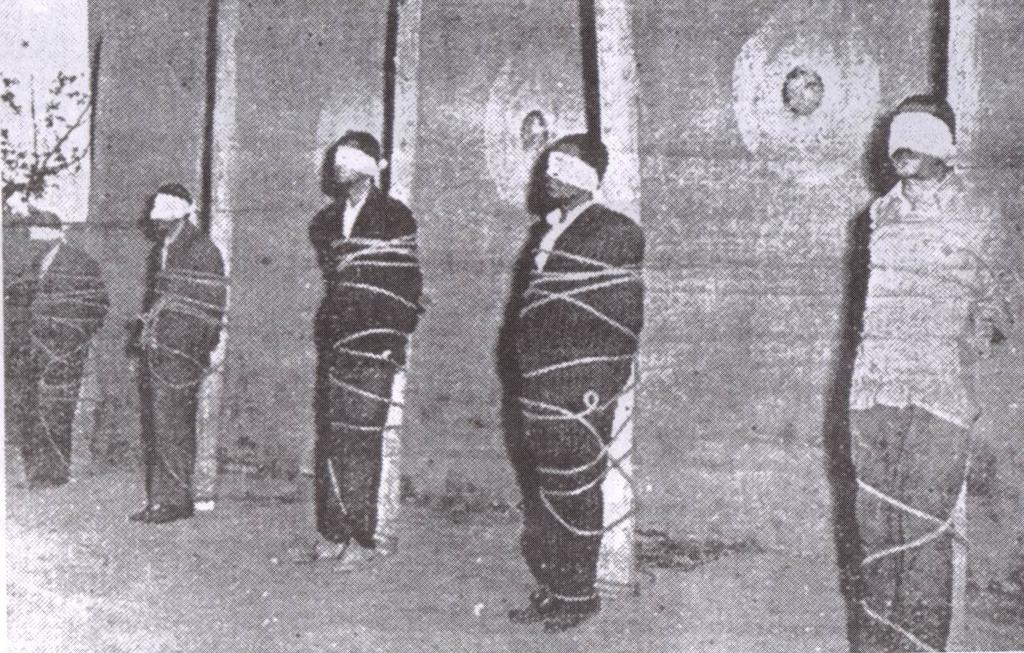

 ا در بُهتي شگفت و اندوهي ژرف فروبرد.






 گزارشي كه به ميانجي ي ِ تارنماي فرهنگي- خبري ي ِ ايراندُخت و به گُفتاوَرد از خبرگزاري ي ِ ميراث ِ خبر در پي مي آورم، اشاره دارد به يك سند كهن از متن هاي پهلوي و پازند در مورد آيين زناشويي ي ايرانيان و مي تواند روشنگر ِ گوشه اي زندگي ي خانوادگي و اجتماعي ِ نياكانمان باشد.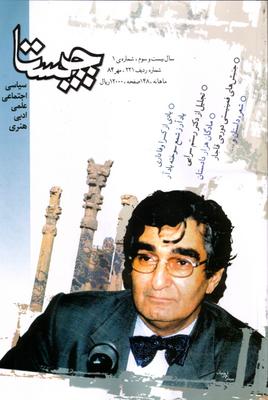


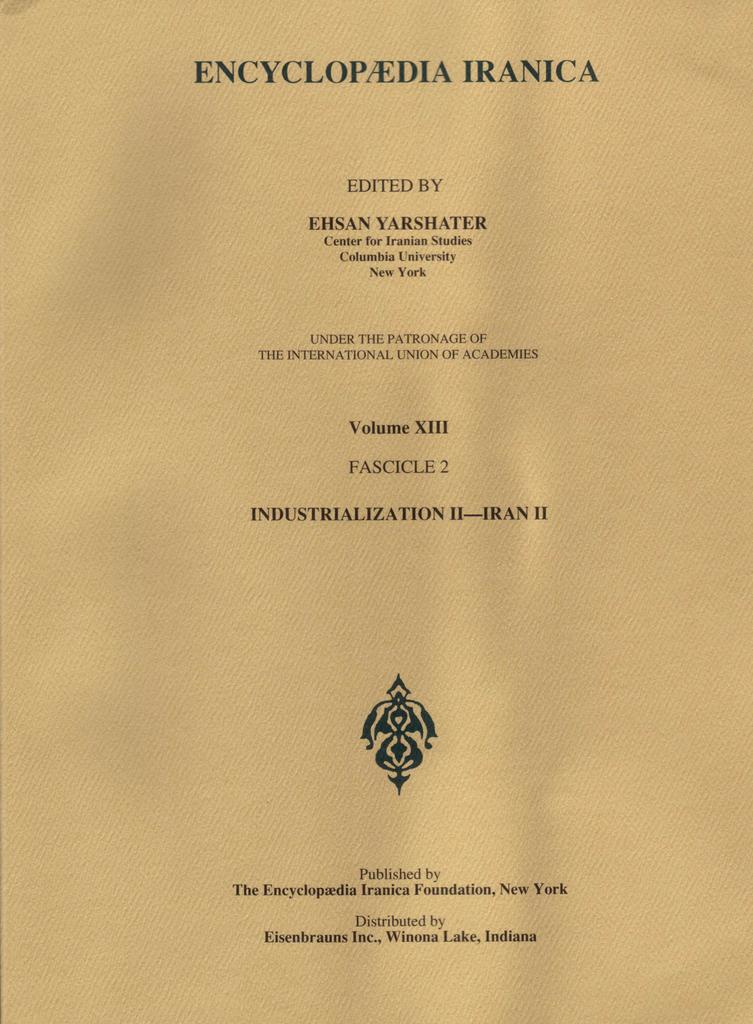 دفتر سوم از جلد سيزدهم ِ دانشنامه ي ِ ايران

